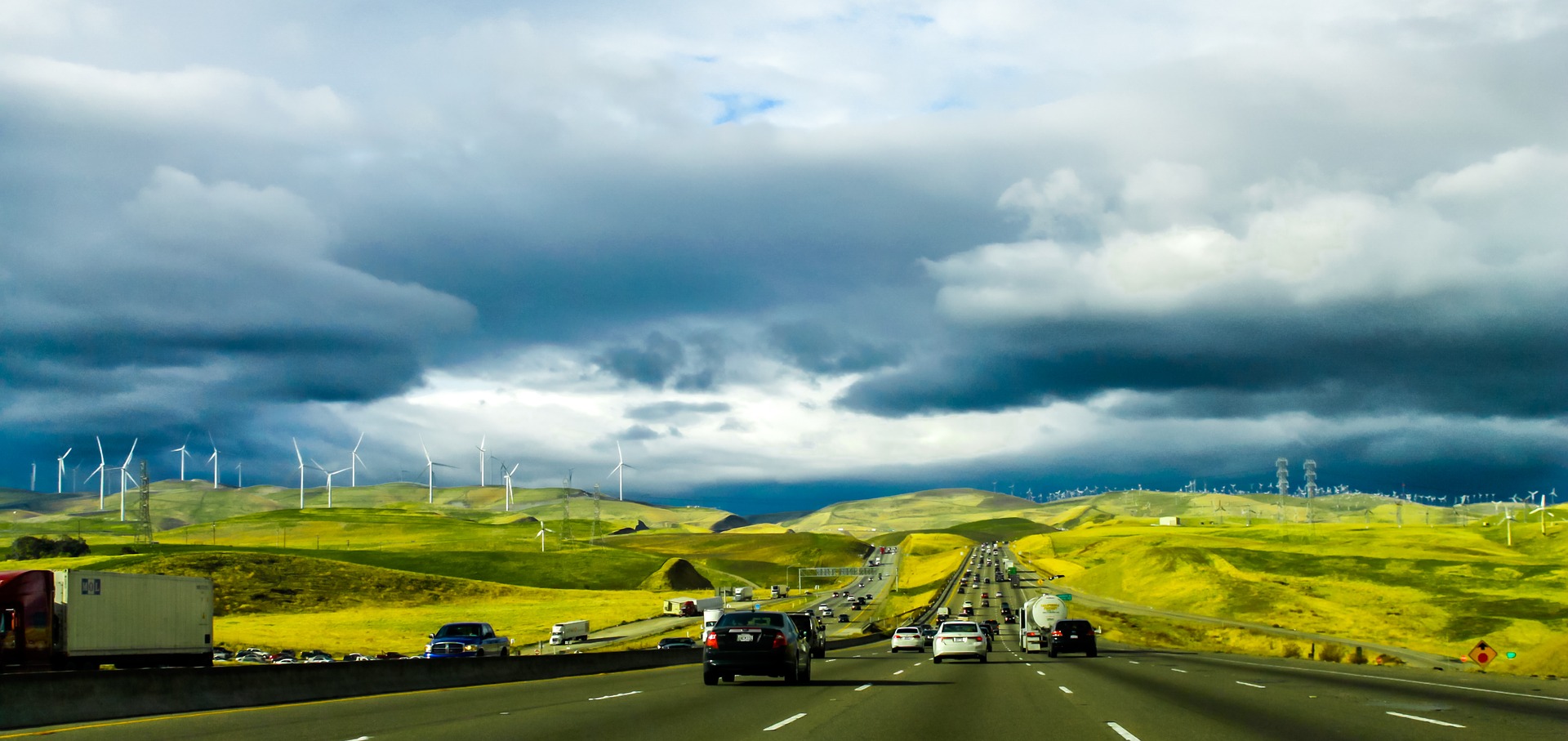
Worried about rising gas pricesanddoing your part for the planet? You're not alone! We all want to save money and minimize our impact on the environment. The good news is that often, these goals go hand-in-hand.
Eco-driving isn’t just a trend; it’s a practical approach that benefits both your wallet and the environment. By adopting fuel-efficient driving habits, you can significantly reduce your fuel consumption, leading to substantial savings at the pump. Simultaneously, you'll be lowering your vehicle's emissions, contributing to cleaner air and a healthier planet. Choosing alternative routes is a powerful way to achieve both.
Ready to see how a simple route change can make a difference? Start by using a navigation app to compare routes to your common destinations. Sometimes the "fastest" route, according to the app, involves more stop-and-go traffic, which burns more fuel. Experiment with "eco routes" or routes that prioritize consistent speeds and fewer stops.
Choosing the Right Route: Your First Step to Eco-Driving
It's easy to fall into the same driving patterns day after day. We get used to our routines, even if they aren't the most efficient. But just because a route is familiar doesn't mean it's the best option for your fuel economy or the environment. The key is to be proactive and consider alternative routes with fuel efficiency in mind.
Think about it: routes filled with stop signs, traffic lights, and congested intersections force you to constantly accelerate and brake. This stop-and-go driving burns significantly more fuel than maintaining a consistent speed on a less-congested road. That’s why taking a slightly longer, but smoother route can be a game-changer.
Here’s how to start identifying better routes
1.Use a GPS Navigation App: Apps like Google Maps, Waze, and Apple Maps often provide multiple route options, including those that prioritize fuel efficiency or minimize traffic. Experiment with different settings and compare the estimated travel time and fuel consumption for each route.
2.Consider Time of Day: Traffic patterns change throughout the day. A route that's efficient during off-peak hours might become a fuel-guzzler during rush hour. Check traffic conditions before you leave and adjust your route accordingly.
3.Look for Routes with Fewer Stops: Routes with fewer stop signs, traffic lights, and intersections generally lead to better fuel economy. Aim for routes that allow you to maintain a consistent speed as much as possible.
4.Explore "Eco-Routes": Some navigation apps now offer dedicated "eco-route" options. These routes are specifically designed to minimize fuel consumption by avoiding congested areas and prioritizing smoother driving conditions.
5.Factor in Terrain: Hilly or mountainous routes require more engine power and thus consume more fuel. If possible, choose flatter routes to improve your fuel efficiency.
6.Test and Track: Don't be afraid to experiment with different routes and track your fuel consumption to see which ones work best for you. Use a fuel tracking app or simply record your mileage and fuel purchases to monitor your progress.
By consciously evaluating your route options and choosing routes that prioritize smooth, consistent driving, you can significantly reduce your fuel consumption and emissions. It’s a simple but effective way to practice sustainable car habits.
Understanding the Impact of Stop-and-Go Traffic
Stop-and-go traffic is a fuel economy killer. Every time you accelerate from a standstill, your engine has to work harder, burning more fuel. This is especially true for older vehicles and those with larger engines. Repeatedly braking also wastes energy because the kinetic energy you built up during acceleration is simply dissipated as heat.
Consider this scenario: You're driving a mile in stop-and-go traffic, averaging only 15 miles per hour. You'll likely use significantly more fuel than if you were driving that same mile at a constant speed of 45 miles per hour on an open road. The difference can be quite dramatic, potentially reducing your fuel efficiency by as much as 30-40% in heavy traffic.
Furthermore, idling in traffic also consumes fuel, even though you're not moving. While modern vehicles have improved idle fuel efficiency, idling for extended periods still adds up over time. Reducing your time spent in stop-and-go traffic not only saves fuel but also reduces wear and tear on your vehicle's brakes, tires, and engine.
Does eco-driving really save fuel?
Absolutely! Numerous studies have shown that eco-driving techniques can significantly improve fuel efficiency, often by as much as 10-20% or even more, depending on driving conditions and habits. By adopting fuel-efficient driving habits like choosing alternative routes, avoiding aggressive acceleration and braking, and maintaining a steady speed, you can demonstrably reduce your fuel consumption and save money at the pump.
Smart Route Planning: Beyond the Navigation App
While navigation apps are incredibly helpful, smart route planning goes beyond simply relying on technology. It involves a proactive approach to understanding traffic patterns, exploring alternative routes, and making informed decisions about your commute.
One important aspect of smart route planning is considering the time of day. As mentioned earlier, traffic conditions can vary significantly depending on the time. A route that's efficient during off-peak hours may become heavily congested during rush hour. Try to avoid peak traffic times whenever possible. This might mean adjusting your work schedule, leaving earlier, or staying later to avoid the worst of the congestion.
Another key element is to research alternative routes beyond what your navigation app suggests. Talk to friends, family, or colleagues who live in the same area and ask for their recommendations. Explore different roads and highways to identify less-traveled routes that might offer a smoother and more fuel-efficient driving experience.
Finally, pay attention to road construction and closures. Construction zones often lead to delays and congestion, so it's important to be aware of any planned roadwork in your area. Check local news or traffic websites for updates and adjust your route accordingly.
What are the best eco-driving habits?
Beyond alternative routes, several other habits contribute to eco-driving: Gentle Acceleration and Braking: Avoid sudden bursts of speed and harsh braking. Accelerate smoothly and gradually, and anticipate stops to reduce the need for hard braking. Maintain a Steady Speed: Use cruise control on highways to maintain a consistent speed and avoid unnecessary acceleration and deceleration. Proper Tire Inflation: Underinflated tires increase rolling resistance, which reduces fuel efficiency. Check your tire pressure regularly and inflate them to the recommended level. Regular Vehicle Maintenance: Keep your vehicle properly maintained with regular oil changes, tune-ups, and air filter replacements. A well-maintained vehicle runs more efficiently. Reduce Idling: Avoid idling for extended periods. If you're going to be stopped for more than a minute, turn off your engine. Reduce Weight: Remove unnecessary items from your vehicle to reduce its weight. The less weight your vehicle has to carry, the less fuel it will consume.
The Ripple Effect: Contributing to a Sustainable Future
Choosing alternative routes and adopting other eco-driving tips isn't just about saving money; it's also about contributing to a more sustainable future. By reducing your fuel consumption and emissions, you're helping to reduce air pollution, combat climate change, and conserve natural resources.
The cumulative effect of many drivers adopting fuel-efficient driving habits can be significant. Even small changes in individual driving behavior can add up to substantial reductions in overall emissions and fuel consumption. By making conscious choices about your driving habits, you're becoming part of a larger movement towards a cleaner, healthier, and more sustainable planet.
Think of it as a ripple effect: your individual actions can inspire others to adopt similar habits, creating a positive cycle that benefits both your community and the environment.
Furthermore, supporting policies and initiatives that promote sustainable transportation can also help to create a more environmentally friendly transportation system. This includes advocating for improved public transportation, encouraging the development of electric vehicles, and supporting investments in bike lanes and pedestrian infrastructure.
Can eco-driving make my car last longer?
Yes, eco-driving can contribute to the longevity of your vehicle. By avoiding aggressive acceleration and braking, you reduce wear and tear on your engine, brakes, tires, and other components. Smooth, consistent driving also helps to maintain optimal engine temperature and reduce stress on the drivetrain. Additionally, practicing regular vehicle maintenance, such as oil changes and tune-ups, further extends the life of your car.
Making Eco-Driving a Habit
The key to successfully implementing these green driving strategies is to make them a habit. Start small and gradually incorporate more eco-driving tips into your daily routine. Be patient with yourself and don't get discouraged if you slip up occasionally. The important thing is to keep practicing and striving to improve your fuel efficiency.
One helpful strategy is to set specific, measurable, achievable, relevant, and time-bound (SMART) goals for yourself. For example, you could set a goal to improve your fuel efficiency by 5% over the next month, or to try a new alternative route to work each week.
Another effective approach is to track your progress and reward yourself for achieving your goals. Use a fuel tracking app or simply record your mileage and fuel purchases to monitor your progress. When you reach a milestone, treat yourself to something you enjoy, such as a coffee, a movie, or a new book.
Remember, every small change you make can make a difference. By consciously choosing alternative routes, adopting fuel-efficient driving habits, and supporting sustainable transportation policies, you can contribute to a cleaner, healthier, and more sustainable future.
You have the power to make a positive impact every time you get behind the wheel. Start exploring those alternative routes, embrace eco-driving principles, and enjoy the benefits of saving money and reducing your carbon footprint. Your journey towards a more sustainable driving experience begins now!
Post a Comment for "How Alternative Routes Can Save Fuel and Emissions"