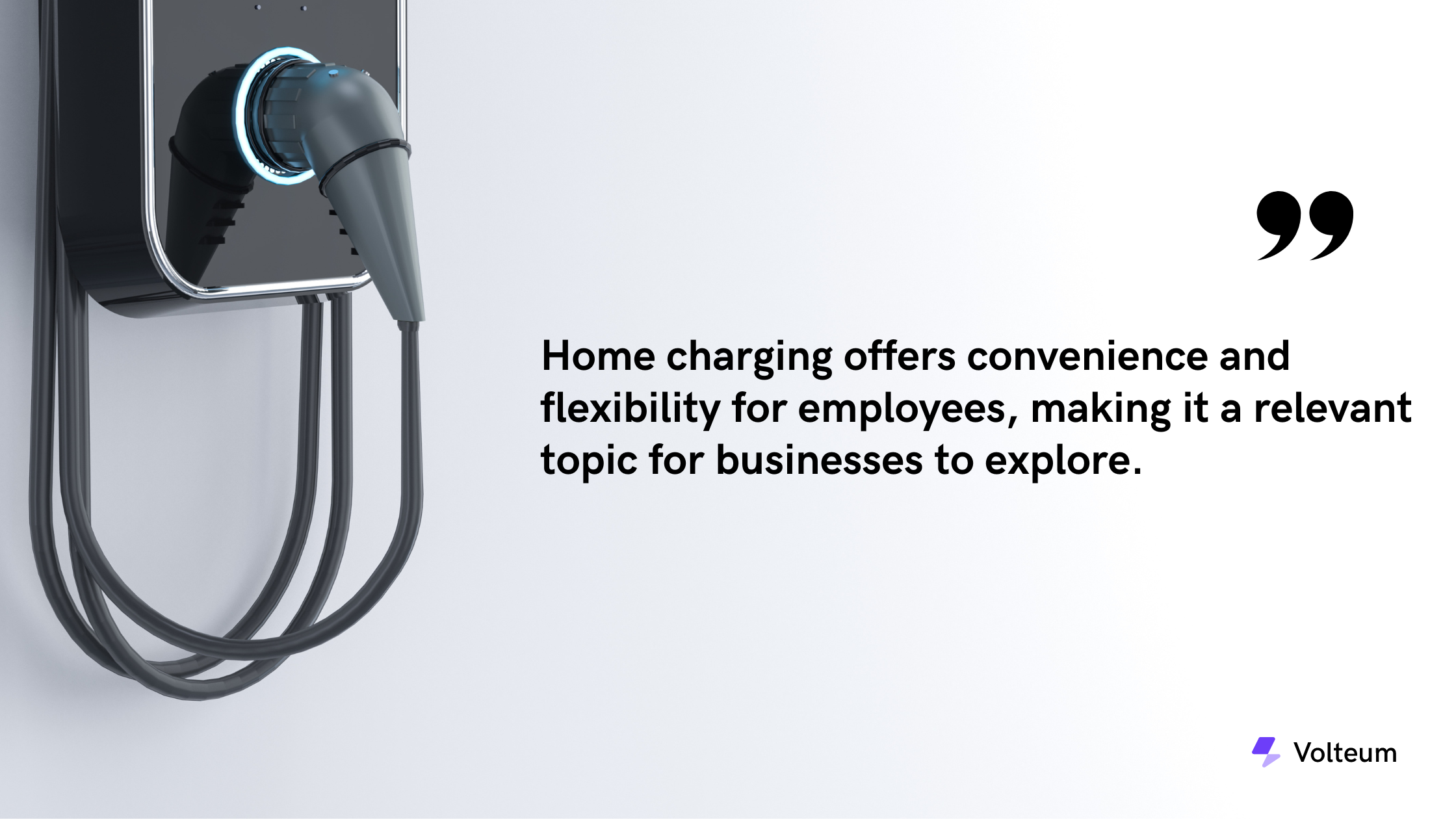
Worried about your electricity bill going through the roof after switching to an electric vehicle? You're not alone! Many EV owners are looking for ways to optimize their home charging habits to save money and minimize their environmental impact.
The good news is that adopting a few best practices can make a significant difference. Eco-driving isn’t just about how you drive; it extends to how you power your EV, affecting both your wallet and the planet. By optimizing your charging routine, you contribute to a greener future while keeping your energy costs down.
Ready to start saving? Begin by checking with your local utility company to see if they offer off-peak charging rates. Shifting your charging to these times can dramatically reduce your electricity expenses.
Best Practices for Charging EVs at Home
Switching to an electric vehicle is a fantastic step towards a more sustainable lifestyle. However, maximizing the environmental and financial benefits requires understanding how to charge your EV efficiently at home. Let's explore some simple yet effective strategies to make your home charging routine as eco-friendly and cost-effective as possible.
Understanding Your Electricity Rate
Before diving into specific charging practices, it's crucial to understand your electricity rate structure. Most utility companies offer different rates depending on the time of day, with off-peak hours typically offering significantly lower prices. These off-peak hours are usually during the night when energy demand is lower.
Contact your electricity provider to learn about their time-of-use (TOU) rates. Some providers even offer specific EV charging programs with even more favorable rates during off-peak times. Understanding these rates is the foundation for smart and economical EV charging.
People Also Ask: Does off-peak charging really make a difference?
Absolutely! Off-peak charging can substantially reduce your electricity bill. By charging your EV during these lower-rate periods, you avoid the higher costs associated with peak demand times. This can translate into significant savings over time, especially if you consistently charge during off-peak hours. Plus, it helps balance the load on the electrical grid, making the system more efficient and reliable.
Smart Charging Schedules
Once you understand your electricity rates, you can start implementing smart charging schedules. Most EVs and home chargers allow you to schedule charging sessions, so you can take advantage of off-peak rates automatically.
Utilize your EV's scheduling feature: Consult your EV's owner's manual to learn how to program charging schedules. Set it to charge during off-peak hours, typically between 10 PM and 6 AM. Smart chargers offer advanced control: Consider investing in a smart charger. These chargers connect to your home's Wi-Fi and offer more advanced scheduling options, energy monitoring, and even integration with your utility company's programs. Avoid "topping off" unnecessarily:Only charge your EV when it needs it. Constantly "topping off" the battery can waste energy and may even slightly reduce battery lifespan over the long run. Aim to charge when your battery is below a certain threshold, such as 20% or 30%.
Choosing the Right Charging Equipment
The type of charging equipment you use also affects the efficiency and speed of your charging. There are three main levels of EV charging: Level 1 Charging: This is the slowest charging method, using a standard 120V household outlet. It typically adds about 3-5 miles of range per hour. While convenient for occasional use or for topping off the battery, it's not ideal for daily charging. Level 2 Charging: This is the most common type of home charging, using a 240V outlet. It typically adds about 20-30 miles of range per hour. A Level 2 charger requires professional installation but provides a much faster and more efficient charging experience. DC Fast Charging (Level 3):These chargers are typically found at public charging stations and are not suitable for home use. They use high-voltage DC power to charge EVs very quickly, adding up to 100 miles of range in about 30 minutes.
For home charging, a Level 2 charger is generally the best option. It offers a good balance of speed, cost, and convenience. When choosing a Level 2 charger, consider factors such as: Amperage: Choose a charger with an amperage rating that matches your EV's charging capabilities and your home's electrical capacity. Smart Features: Look for smart chargers with Wi-Fi connectivity, scheduling options, and energy monitoring capabilities. Safety Certifications:Ensure the charger is certified by a reputable safety organization, such as UL or ETL.
People Also Ask: How much does it cost to install a Level 2 charger at home?
The cost of installing a Level 2 charger can vary depending on several factors, including the charger itself, the complexity of the electrical work required, and local labor rates. Generally, you can expect to pay between $500 and $2,000 for the charger and installation. Some states and utility companies offer rebates or incentives that can help offset the cost. It's best to get quotes from several qualified electricians to get an accurate estimate.
Optimizing Battery Health for Efficiency
While not directly related to charging practices, optimizing your EV's battery health can indirectly improve efficiency and reduce your overall energy consumption. Here are a few tips: Avoid extreme temperatures: Extreme heat and cold can negatively impact battery performance and longevity. Park your EV in a garage or shaded area whenever possible. Limit frequent fast charging: While DC fast charging is convenient, frequent use can generate heat and potentially degrade the battery over time. Use Level 2 charging at home for most of your charging needs. Maintain a moderate state of charge: Avoid consistently charging your battery to 100% or letting it drop below 20%. Keeping the battery within a moderate range (e.g., 20-80%) can help extend its lifespan. Gentle driving habits: Smooth acceleration and braking can also help preserve your battery's charge and extend the range of your vehicle.
Leveraging Renewable Energy Sources
For the ultimate in eco-friendly EV charging, consider powering your EV with renewable energy sources, such as solar panels. Installing solar panels on your home allows you to generate your own clean electricity, reducing your reliance on the grid and further minimizing your carbon footprint.
Solar panel installation: Explore the feasibility of installing solar panels on your roof. Calculate your energy needs and determine the appropriate size of the solar panel system. Net metering: Check with your utility company about net metering programs. Net metering allows you to send excess solar energy back to the grid and receive credit on your electricity bill. Battery storage:Consider adding battery storage to your solar panel system. Battery storage allows you to store excess solar energy for use during off-peak hours or during power outages.
People Also Ask: Are solar panels worth it for EV charging?
For many EV owners, solar panels are an excellent investment. They not only reduce your electricity bill but also allow you to power your EV with clean, renewable energy. The upfront cost of solar panel installation can be significant, but the long-term savings and environmental benefits can make it a worthwhile investment. Government incentives and tax credits can also help offset the cost. Perform a cost-benefit analysis to determine if solar panels are the right choice for your specific situation.
Monitoring Your Energy Consumption
Keeping track of your energy consumption is essential for identifying areas where you can improve your charging efficiency. Many smart chargers and EVs offer energy monitoring features that allow you to track your charging habits and electricity usage.
Use your charger's monitoring features: Take advantage of the energy monitoring features offered by your smart charger. Track your charging sessions, electricity consumption, and costs. Monitor your utility bill: Pay attention to your monthly electricity bill and compare your usage from month to month. Look for any significant changes or patterns that may indicate areas where you can improve your efficiency. Use energy monitoring apps:There are several energy monitoring apps available that can help you track your home's overall energy consumption, including EV charging.
By actively monitoring your energy consumption, you can gain valuable insights into your charging habits and identify opportunities to save money and reduce your environmental impact.
Future-Proofing Your Home Charging Setup
As EV technology continues to evolve, it's essential to future-proof your home charging setup to ensure it can accommodate future EVs and charging standards.
Choose a charger with upgradeable firmware: Select a smart charger with firmware that can be updated over the air. This will allow you to take advantage of new features and improvements as they become available. Install a higher-amperage circuit: When installing a Level 2 charger, consider installing a higher-amperage circuit than you currently need. This will allow you to upgrade to a faster charger in the future without requiring additional electrical work. Stay informed about charging standards:Keep up to date on the latest EV charging standards and technologies. This will help you make informed decisions about your home charging setup.
By taking these steps, you can ensure that your home charging setup remains efficient, reliable, and compatible with future EVs.
Embracing these best practices for charging your EV at home is a win-win. You'll save money on your electricity bill while reducing your contribution to air pollution. Remember, even small changes in your charging habits can add up to big savings and a healthier planet. Start today and enjoy the benefits of eco-friendly EV ownership!
Post a Comment for "Best Practices for Charging EVs at Home"