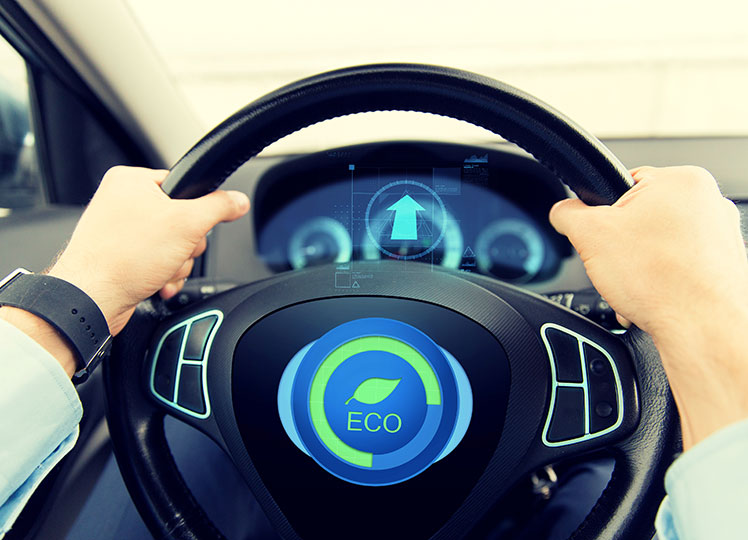
Are you tired of watching your hard-earned money disappear at the gas pump? Do you also worry about the impact your daily commute has on the environment? You're not alone! Many drivers are looking for ways to save money and reduce their carbon footprint, and the good news is that eco-driving offers a practical solution that benefits both your wallet and the planet.
Eco-driving isn’t just a trend; it's a set of fuel-efficient driving habits that minimize fuel consumption and reduce emissions. By adopting these green driving strategies, you can significantly lower your fuel costs, meaning more money in your pocket each month. More importantly, you’ll be contributing to a healthier planet by decreasing the amount of greenhouse gases released into the atmosphere, combating climate change one mile at a time. Try easing off the accelerator! Avoid aggressive acceleration and braking, which consume far more fuel than gradual changes in speed. Anticipating traffic flow and maintaining a steady speed are simple changes that can make a noticeable difference in your fuel efficiency.
Mastering Eco-Driving: Simple Techniques for Big Savings
Eco-driving is about more than just saving money; it's about adopting a responsible approach to driving that minimizes your environmental impact. It involves learning and implementing simple techniques that can dramatically improve your vehicle's fuel economy and reduce emissions. Let’s explore some key areas where you can make a real difference.
Smooth and Steady Wins the Race
One of the most effective eco-driving tips is to maintain a smooth and steady speed. Avoid sudden acceleration and braking, as these actions guzzle fuel. Instead, try to anticipate traffic flow and maintain a constant speed whenever possible. Using cruise control on highways can help you maintain a steady pace and prevent unnecessary speed fluctuations, ultimately leading to better fuel efficiency. Think of it like this: every time you slam on the brakes, you're essentially throwing away the energy you used to accelerate. By driving smoothly, you conserve that energy and reduce your fuel consumption. This also translates to less wear and tear on your vehicle's brakes and tires, saving you money on maintenance in the long run.
The Art of Anticipation
Anticipation is key to fuel-efficient driving habits. Pay attention to what’s happening ahead of you on the road. By anticipating traffic lights, road conditions, and potential hazards, you can avoid unnecessary braking and acceleration. For example, if you see a red light ahead, gently ease off the accelerator and coast towards the intersection instead of speeding up and then slamming on the brakes at the last minute. This technique, often called “coasting,” allows your vehicle to gradually slow down without using any fuel. Practicing anticipation also makes you a safer and more attentive driver, reducing the risk of accidents.
Tire Pressure Matters
Maintaining proper tire pressure is a simple yet crucial aspect of eco-driving. Underinflated tires create more rolling resistance, forcing your engine to work harder and consume more fuel. Check your tire pressure regularly – at least once a month – and inflate them to the recommended pressure listed in your vehicle's owner's manual or on the sticker inside your driver's side door. Properly inflated tires not only improve fuel efficiency but also enhance handling and extend the life of your tires. It's a win-win-win situation!
Reduce Excess Weight
Did you know that carrying unnecessary weight in your vehicle can negatively impact your fuel economy? Extra weight requires your engine to work harder to accelerate and maintain speed, leading to increased fuel consumption. Take a few minutes to remove any unnecessary items from your trunk and back seat. Get rid of those golf clubs you haven't used in months, the extra tools, and anything else that's just taking up space. A lighter vehicle is a more fuel-efficient vehicle.
Avoid Idling
Idling is a major fuel waster. When your engine is idling, it's burning fuel without actually moving your vehicle. If you're going to be stopped for more than a minute, turn off your engine. Modern vehicles are designed to be restarted easily, and the amount of fuel saved by turning off the engine during short stops far outweighs the fuel used to restart it. This is especially important in areas with strict emission standards.
Deeper Dive: Eco-Driving and Your Vehicle
Eco-driving isn't just about changing your habits behind the wheel; it also involves understanding how your vehicle operates and making informed decisions about maintenance and upgrades. Let’s explore some ways to optimize your vehicle for fuel efficiency.
The Right Vehicle for the Job
Choosing the right vehicle is a crucial step in reducing your carbon footprint. Consider your driving needs and select a vehicle that's appropriately sized and powered for your typical usage. If you primarily drive in the city, a smaller, more fuel-efficient car might be a better choice than a large SUV. If you frequently haul heavy loads or tow trailers, you'll need a more powerful vehicle, but look for models with fuel-efficient engines and technologies like cylinder deactivation or hybrid powertrains. Research fuel economy ratings before you buy, and consider alternative fuel vehicles like electric cars or hybrids.
Regular Maintenance is Key
Proper vehicle maintenance is essential for optimal fuel efficiency. A well-maintained engine runs more efficiently and produces fewer emissions. Follow your vehicle's recommended maintenance schedule, including regular oil changes, air filter replacements, and tune-ups. A clean air filter allows your engine to breathe easier, while fresh oil reduces friction and wear, both of which contribute to improved fuel economy. Regularly check your spark plugs as well; worn spark plugs can lead to misfires and reduced fuel efficiency.
Aerodynamics Matter
Aerodynamics play a significant role in fuel efficiency, especially at highway speeds. Minimize wind resistance by removing roof racks or cargo carriers when they're not in use. These accessories can create drag, forcing your engine to work harder and consume more fuel. Also, avoid driving with your windows open at high speeds, as this also increases wind resistance. Using air conditioning at lower speeds can be more fuel-efficient than driving with the windows down.
Using Your Gears Wisely
For those who drive manual transmission vehicles, using your gears wisely is another way to improve fuel economy. Shift up as soon as possible without lugging the engine. Lugging the engine means driving in a gear that’s too high for the speed, which forces the engine to work harder. Also, avoid revving the engine unnecessarily between shifts. Smooth, efficient shifting can make a noticeable difference in your fuel consumption.
Addressing Common Questions About Eco-Driving
Let's address some common questions people have about eco-driving.
Does eco-driving really save fuel?
Yes, absolutely! Studies and real-world experience consistently demonstrate that eco-driving techniques can significantly improve fuel economy. The amount of fuel you save will depend on your driving habits, the type of vehicle you drive, and the conditions you encounter on the road. However, even small changes in your driving style can add up to substantial savings over time. Many drivers report fuel economy improvements of 10-20% or more after adopting eco-driving practices.
What are the best eco-driving habits?
The best eco-driving habits include: Smooth acceleration and braking: Avoid sudden bursts of speed and hard stops. Maintaining a steady speed: Use cruise control on highways to prevent unnecessary speed fluctuations. Anticipating traffic: Look ahead and anticipate traffic lights and potential hazards to avoid unnecessary braking. Proper tire inflation: Regularly check and maintain the recommended tire pressure. Reducing excess weight: Remove unnecessary items from your vehicle. Avoiding idling: Turn off your engine when stopped for more than a minute. Regular vehicle maintenance:Keep your vehicle in good running condition with regular oil changes, air filter replacements, and tune-ups.
Can eco-driving make my car last longer?
Yes, in many ways, fuel-efficient driving habits can extend the lifespan of your car. Smooth acceleration and braking reduce wear and tear on your brakes, tires, and suspension. Maintaining proper tire pressure also contributes to longer tire life. Regular vehicle maintenance, as part of eco-driving, helps prevent major repairs and keeps your engine running smoothly for longer. By driving responsibly and taking good care of your vehicle, you can maximize its lifespan and avoid costly repairs.
The Ripple Effect: Eco-Driving for a Sustainable Future
Eco-driving offers a pathway to reduce your carbon footprint and contribute to a more sustainable future. By embracing green driving strategies, you're not just saving money; you’re helping to protect the environment for future generations.
Reducing Greenhouse Gas Emissions
Transportation is a major contributor to greenhouse gas emissions, which are a primary driver of climate change. By adopting fuel-efficient driving habits, you can significantly reduce the amount of carbon dioxide and other pollutants released into the atmosphere. Even small reductions in emissions from individual vehicles can have a significant impact when multiplied across millions of drivers.
Conserving Natural Resources
Fuel-efficient driving helps conserve natural resources, such as oil and gas. By using less fuel, you reduce the demand for these resources, which helps to preserve them for future use. This also reduces the environmental impact associated with extracting, transporting, and refining fossil fuels.
Promoting Cleaner Air
Eco-driving practices contribute to cleaner air in our communities. By reducing emissions from vehicles, you can help improve air quality and reduce the incidence of respiratory problems and other health issues. This is especially important in urban areas with high traffic density.
Inspiring Others
Your commitment to eco-driving can inspire others to adopt similar practices. When people see you driving responsibly and efficiently, they may be more likely to consider making changes in their own driving habits. By leading by example, you can help create a culture of sustainability and encourage others to join the effort to protect the environment.
Every small change you make behind the wheel adds up, contributing to a collective effort to save money, reduce our reliance on fossil fuels, and protect our planet. So, start today, and experience the rewarding feeling of driving in a way that’s good for your wallet and good for the Earth. Even the smallest adjustments to your sustainable car habits can make a real difference!
Post a Comment for "How Eco-Driving Can Save You Money and the Planet"