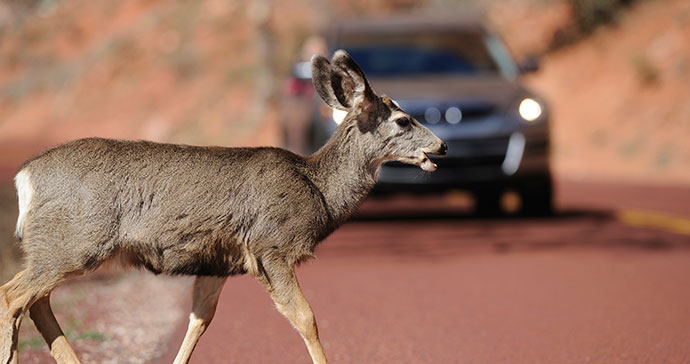
Ever wonder if your daily commute could be impacting the furry, feathered, and scaled neighbors around you? It's easy to feel disconnected from nature when you're behind the wheel, but the truth is, our driving habits have a direct and often overlooked effect on local wildlife.
Eco-driving isn't just about saving money at the pump; it's about creating a healthier environment for everyone, including the animals that share our planet. By adopting fuel-efficient driving habits, you're not only reducing your carbon footprint and contributing to cleaner air, but you're also minimizing the negative impacts on wildlife habitats, migration patterns, and overall ecosystem health. It’s a win-win: a lighter impact on your wallet and a lighter impact on the world around you. As a first step, try easing off the gas pedal. Aggressive acceleration burns significantly more fuel and increases emissions. Aim for smooth, gradual acceleration to not only conserve fuel but also reduce stress on your engine.
How Your Driving Habits Directly Impact Wildlife
Our cars, while convenient for us, can pose numerous threats to wildlife. From habitat disruption to direct collisions, the way we drive plays a significant role in the well-being of local animal populations. Understanding these impacts is the first step towards becoming a more responsible and eco-conscious driver. The great thing is, it's not about making huge sacrifices, but about adopting smarter, sustainable car habits.
Habitat Fragmentation and Degradation
Roads themselves act as barriers, fragmenting habitats and isolating animal populations. This isolation can limit access to food, water, and mates, ultimately impacting genetic diversity and long-term survival. But it's not just the roads; the pollution generated by our vehicles contributes to habitat degradation.
Air Pollution: Vehicle emissions, including nitrogen oxides and particulate matter, can damage vegetation and contaminate soil and water sources. This, in turn, affects the food sources and overall health of wildlife. Even seemingly small increases in pollutants can have cascading effects through the food chain. Noise Pollution: The constant drone of traffic creates noise pollution that disrupts animal communication, breeding patterns, and hunting behavior. Many animals rely on sound to navigate, find food, and avoid predators. Excessive noise can mask these important signals, putting them at a disadvantage. For example, birds may struggle to attract mates or hear warning calls from other birds. Road Salt Runoff:During winter, road salt is used to keep roads clear. However, when the snow melts, this salt runs off into nearby streams and wetlands, increasing salinity levels and harming aquatic life. High salt concentrations can be toxic to fish, amphibians, and invertebrates.
Direct Wildlife Collisions
Sadly, one of the most visible and tragic impacts of driving is direct wildlife collisions. Animals attempting to cross roads are often struck by vehicles, resulting in injury or death. This is especially prevalent during migration seasons or in areas with high wildlife populations.
Increased Mortality: Road mortality can significantly impact local wildlife populations, especially for species with low reproductive rates or small populations. The loss of even a few individuals can have a devastating effect on the overall health and stability of these populations. Disruption of Ecosystems: The loss of predators or prey animals due to road mortality can disrupt the delicate balance of ecosystems. For example, the decline of a predator species can lead to an overpopulation of its prey, which can then deplete vegetation and alter habitat structure. Economic Costs:Wildlife collisions also have economic costs, including vehicle damage, medical expenses, and the costs associated with wildlife management and conservation efforts.
Impacts on Aquatic Ecosystems
Our driving habits can also indirectly affect aquatic ecosystems.
Stormwater Runoff: Rainwater washes pollutants from roads, parking lots, and other paved surfaces into nearby waterways. This runoff can contain oil, grease, heavy metals, and other harmful substances that contaminate water sources and harm aquatic life. Sedimentation: Construction activities associated with road building and maintenance can lead to soil erosion and sedimentation of waterways. Sediment can smother fish eggs, reduce water clarity, and degrade aquatic habitats. Chemical Contamination:Antifreeze, brake fluid, and other automotive chemicals can leak from vehicles and contaminate soil and water sources. These chemicals can be toxic to aquatic organisms, even in small concentrations.
Eco-Driving Habits to Protect Wildlife
Fortunately, we can all make a difference by adopting eco-driving habits that minimize our impact on wildlife. These green driving strategies not only benefit the environment but also save you money on fuel and maintenance costs. It's a proactive way to ensure co-existence with our wild neighbors, promoting a greener and safer planet for all.
Mastering the Art of Smooth Driving
Aggressive driving – rapid acceleration, hard braking, and speeding – is a major fuel guzzler and a significant contributor to emissions. By adopting a smoother driving style, you can dramatically improve your fuel efficiency and reduce your carbon footprint.
Gentle Acceleration: Avoid flooring the gas pedal. Accelerate gradually and smoothly, allowing your engine to work efficiently. Imagine there's an egg between your foot and the gas pedal, and try not to break it! Anticipate Traffic: Scan the road ahead and anticipate changes in traffic flow. This allows you to avoid unnecessary braking and acceleration. Look further ahead than just the car in front of you. Maintain a Steady Speed:Use cruise control on highways to maintain a constant speed and avoid fluctuations in fuel consumption. However, remember to disengage cruise control in adverse weather conditions.
Vehicle Maintenance: Keeping Your Car Green
A well-maintained vehicle is a more efficient vehicle. Regular maintenance not only prolongs the life of your car but also ensures that it operates at its optimal efficiency, reducing emissions and fuel consumption.
Regular Oil Changes: Change your oil according to the manufacturer's recommendations. Clean oil lubricates the engine, reducing friction and improving fuel economy. Proper Tire Inflation: Keep your tires properly inflated. Underinflated tires increase rolling resistance, which reduces fuel efficiency. Check your tire pressure regularly and inflate them to the recommended pressure listed in your owner's manual or on the sticker inside your driver's side door. Air Filter Replacement: Replace your air filter regularly. A clogged air filter restricts airflow to the engine, reducing performance and fuel efficiency. Tune-Ups: Schedule regular tune-ups to ensure that your engine is running smoothly and efficiently. Tune-ups can address issues such as worn spark plugs, dirty fuel injectors, and other problems that can affect fuel economy.
Strategic Route Planning and Timing
The routes we choose and the times we travel can significantly impact our fuel consumption and emissions. By planning your trips strategically, you can minimize your impact on wildlife and the environment.
Combine Errands: Consolidate multiple errands into a single trip to reduce the number of cold starts. Cold starts are particularly fuel-intensive, as the engine needs to warm up to its optimal operating temperature. Avoid Peak Traffic: Plan your trips to avoid peak traffic times. Stop-and-go traffic is a major fuel guzzler. Consider traveling during off-peak hours or using public transportation during rush hour. Use GPS Navigation: Use a GPS navigation system to find the most efficient route to your destination. GPS can help you avoid traffic congestion and find shorter routes. Consider Carpooling or Public Transportation: Whenever possible, carpool with colleagues or friends, or use public transportation. Sharing rides reduces the number of vehicles on the road, which in turn reduces emissions and traffic congestion.
Supporting Wildlife Conservation Efforts
Beyond changing your driving habits, you can also support wildlife conservation efforts in your community. This can involve volunteering, donating to organizations, or advocating for policies that protect wildlife and their habitats.
Support Local Conservation Organizations: Donate to or volunteer with local conservation organizations that work to protect wildlife habitats and promote sustainable practices. Advocate for Wildlife-Friendly Policies: Contact your elected officials and advocate for policies that protect wildlife and their habitats, such as funding for conservation programs and regulations that limit development in sensitive areas. Educate Others: Share your knowledge about the impacts of driving on wildlife and encourage others to adopt eco-driving habits. Spread the word and inspire others to make a difference. Participate in Citizen Science Projects: Get involved in citizen science projects that monitor wildlife populations and assess the impacts of human activities on the environment. Your observations can help scientists track changes in wildlife populations and develop effective conservation strategies.
Does eco-driving really save fuel?
Absolutely! Studies have consistently shown that eco-driving habits can significantly improve fuel efficiency. By adopting smoother driving techniques, maintaining your vehicle properly, and planning your trips strategically, you can reduce your fuel consumption by as much as 10-20%. Over time, these savings can add up to a substantial amount of money.
What are the best eco-driving habits?
The best eco-driving habits include: Smooth Acceleration and Braking: Avoid rapid acceleration and hard braking. Maintaining a Steady Speed: Use cruise control on highways. Proper Tire Inflation: Keep your tires inflated to the recommended pressure. Regular Vehicle Maintenance: Change your oil, replace your air filter, and schedule regular tune-ups. Strategic Route Planning:Combine errands, avoid peak traffic, and use GPS navigation.
Can eco-driving make my car last longer?
Yes, eco-driving can help extend the life of your car. By adopting smoother driving habits, you reduce stress on your engine, brakes, and other components. This can help prevent premature wear and tear and prolong the life of your vehicle. Regular maintenance, which is also part of eco-driving, is essential for keeping your car running smoothly and avoiding costly repairs.
Small changes in our daily routines can make a big difference. By embracing eco-driving, you're not just saving money and reducing your carbon footprint; you're also playing a vital role in protecting local wildlife and preserving the environment for future generations. Every gentle acceleration, every well-maintained tire, and every thoughtfully planned route contributes to a healthier planet for all. So, let’s hit the road with a renewed sense of purpose, knowing that our driving habits can be a force for good.
Post a Comment for "How Your Driving Habits Affect Local Wildlife"