It’s easy to feel overwhelmed by climate change, but what if I told you that simple changes to your driving habits could actually make a difference—and save you money at the pump?
That's right. Eco-driving isn’t just about hugging trees; it's about smart driving. It’s about adopting fuel-efficient driving habits that reduce your carbon footprint, lower emissions, and keep more of your hard-earned money in your pocket. By embracing green driving strategies, you're not just being kinder to the planet; you're being kinder to your wallet, too. Let's explore some simple eco-driving tips that you can start using today.
Simple Eco-Driving Tips You Can Use Today
Adopting fuel-efficient driving habits doesn't require you to overhaul your entire life. Small, consistent changes can add up to significant fuel savings and a substantial reduction in your environmental impact. These tips are designed to be practical and easy to incorporate into your daily routine, contributing to climate-friendly commuting without sacrificing convenience.
Gentle Acceleration and Braking
Aggressive driving habits, such as rapid acceleration and hard braking, significantly decrease fuel efficiency. Instead, aim for smooth and gradual acceleration. Imagine there's an open cup of coffee on your dashboard – you want to accelerate gently enough to avoid spilling it. Similarly, anticipate traffic flow and brake gradually whenever possible. Coasting to a stop, when safe to do so, is much more fuel-efficient than slamming on the brakes at the last second. Not only does this conserve fuel, but it also reduces wear and tear on your vehicle's brakes and tires.
Maintain a Steady Speed
Maintaining a consistent speed on the highway is crucial for fuel efficiency. Using cruise control, when appropriate, can help you avoid unnecessary speed fluctuations and maintain an optimal speed. Avoid speeding, as fuel consumption increases exponentially at higher speeds. Driving at 55 mph (88 km/h) rather than 65 mph (104 km/h) can improve your fuel economy by as much as 15%. Consider this a simple way to reduce your carbon footprint and save money simultaneously.
Reduce Idling Time
Idling wastes fuel and emits unnecessary pollutants. If you anticipate being stopped for more than 10 seconds, turn off your engine. Modern vehicles are designed to be restarted easily, and the fuel consumed while idling far exceeds the fuel required for restarting. This simple habit can make a significant difference, especially in urban environments where traffic congestion is common. Minimizing idling is one of the easiest and most effective green driving strategies available.
Proper Tire Inflation
Maintaining proper tire inflation is essential for both safety and fuel efficiency. Underinflated tires increase rolling resistance, which means your engine has to work harder to move the vehicle. Check your tire pressure regularly, ideally once a month, and inflate your tires to the recommended pressure listed in your vehicle's owner's manual or on the sticker inside the driver's side door. Properly inflated tires not only improve fuel economy but also extend the life of your tires.
Regular Vehicle Maintenance
Keeping your vehicle properly maintained is crucial for optimal fuel efficiency. Regular oil changes, air filter replacements, and tune-ups ensure that your engine is running smoothly and efficiently. A well-maintained engine consumes less fuel and produces fewer emissions. Follow your vehicle manufacturer's recommended maintenance schedule to keep your car in top condition.
Reduce Aerodynamic Drag
Aerodynamic drag can significantly impact fuel economy, especially at higher speeds. Removing unnecessary items from your vehicle's roof, such as luggage racks or cargo carriers, can reduce drag and improve fuel efficiency. Similarly, closing windows while driving at highway speeds can reduce drag compared to driving with the windows open. Minimizing aerodynamic drag is a simple way to improve fuel economy without changing your driving habits drastically.
Plan Your Trips Efficiently
Planning your routes and combining errands can help reduce unnecessary mileage and fuel consumption. Use navigation apps to find the most efficient routes and avoid congested areas. Combining multiple errands into a single trip reduces the number of cold starts, which are less fuel-efficient than driving a warmed-up engine. Planning ahead is a simple yet effective way to reduce your carbon footprint and save time.
More Ways to Make an Impact Beyond Driving
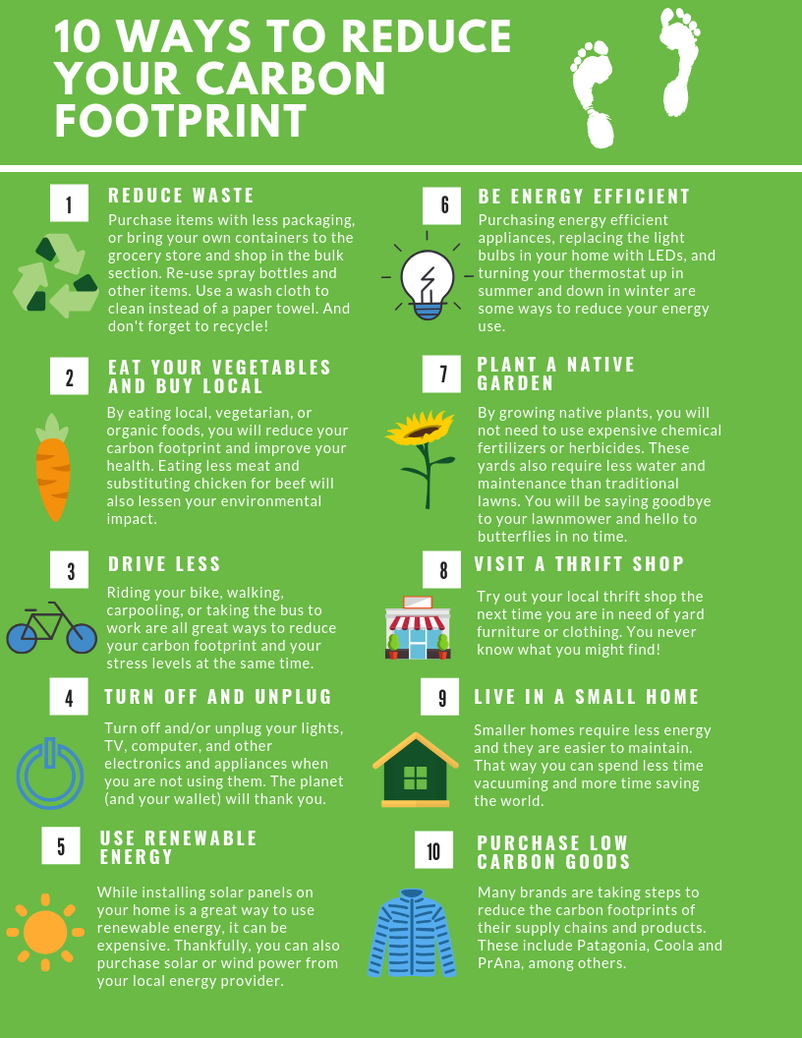
While adopting fuel-efficient driving habits is a significant step, there are many other ways to reduce your overall carbon footprint. Here are a few additional tips to consider:
Consider a More Fuel-Efficient Vehicle
When it's time to replace your current vehicle, consider choosing a more fuel-efficient model. Hybrid, electric, and plug-in hybrid vehicles offer significantly better fuel economy and lower emissions compared to traditional gasoline-powered vehicles. Research different models and compare their fuel economy ratings before making a purchase. You might even qualify for tax incentives or rebates when purchasing a new electric vehicle, making it an even more attractive option.
Embrace Public Transportation, Cycling, or Walking
Whenever possible, consider using alternative modes of transportation. Public transportation, cycling, and walking are all excellent ways to reduce your reliance on personal vehicles and lower your carbon footprint. Even incorporating these options a few times a week can make a significant difference. Cycling or walking for short errands is not only environmentally friendly but also provides health benefits.
Carpool with Others
Carpooling with colleagues, friends, or family members is another effective way to reduce the number of vehicles on the road and lower emissions. Sharing rides can significantly reduce fuel consumption and traffic congestion, especially during peak commuting hours. Consider organizing a carpool group in your workplace or neighborhood to share the benefits of reduced fuel costs and environmental impact.
Telecommute When Possible
If your job allows, consider telecommuting or working from home. Telecommuting eliminates the need to commute to the office, which can save you significant amounts of fuel and reduce emissions. Many companies are now offering flexible work arrangements, making it easier to telecommute regularly. Even working from home just one or two days a week can have a positive impact on your carbon footprint.
Support Sustainable Transportation Initiatives
Support local and national initiatives that promote sustainable transportation options. Advocate for improved public transportation systems, bike lanes, and pedestrian-friendly infrastructure. By supporting these initiatives, you can help create a more sustainable transportation ecosystem and encourage others to adopt eco-friendly habits.
Common Questions About Eco-Driving
Does eco-driving really save fuel?
Absolutely! Studies have consistently shown that adopting eco-driving tips can significantly improve fuel economy. By practicing gentle acceleration and braking, maintaining a steady speed, reducing idling time, and keeping your tires properly inflated, you can reduce your fuel consumption by as much as 10–25%. These savings add up over time, resulting in significant cost savings and a reduced carbon footprint.
What are the best eco-driving habits for city driving?
In city driving, minimizing idling time is crucial. Turn off your engine when stopped for more than 10 seconds. Gentle acceleration and braking are also essential, as city traffic often requires frequent stops and starts. Plan your routes to avoid congested areas and use navigation apps to find the most efficient paths. Combining errands into a single trip also helps reduce the number of cold starts, which are less fuel-efficient.
Can eco-driving make my car last longer?
Yes, eco-driving habits can indeed contribute to the longevity of your vehicle. Gentle acceleration and braking reduce wear and tear on your vehicle's brakes, tires, and engine components. Maintaining a steady speed and avoiding aggressive driving can also help prolong the life of your engine and transmission. Regular vehicle maintenance, such as oil changes and tune-ups, is also essential for keeping your car in good condition and extending its lifespan.
Embracing these simple, sustainable car habits might feel small, but they ripple outwards, creating a collective impact that benefits us all. Each gentle acceleration, each properly inflated tire, each planned route is a step towards a greener future. Start with one or two tips today, and gradually incorporate more as you get comfortable. You'll be surprised at how much of a difference you can make, one eco-friendly drive at a time.
Post a Comment for "Tips for Reducing Your Driving Carbon Footprint"