Feeling the pinch at the pump? Worried about those headlines about climate change? You’re not alone. Luckily, there’s a powerful way to address both, and it might be simpler than you think: ride-sharing.
Ride-sharing isn't just a convenient way to get around; it's a surprisingly effective tool for eco-conscious drivers. By sharing rides, we collectively reduce the number of cars on the road, which translates directly to lower fuel consumption and fewer harmful emissions. Eco-driving practices, like planning efficient routes when ride-sharing, amplify these benefits, putting more money back in your wallet while contributing to a healthier planet. It’s a win-win!
Ready to make a difference right now? Next time you're heading out, consider offering a ride to a neighbor, coworker, or friend who's going in the same direction. You’ll instantly cut emissions in half, and maybe even make a new connection!
How Ride-Sharing Shrinks Your Carbon Footprint
The beauty of ride-sharing lies in its simplicity and scalability. When multiple people travel in a single vehicle instead of driving separately, the positive environmental impact is significant. Let's break down exactly how ride-sharing contributes to a more sustainable future.
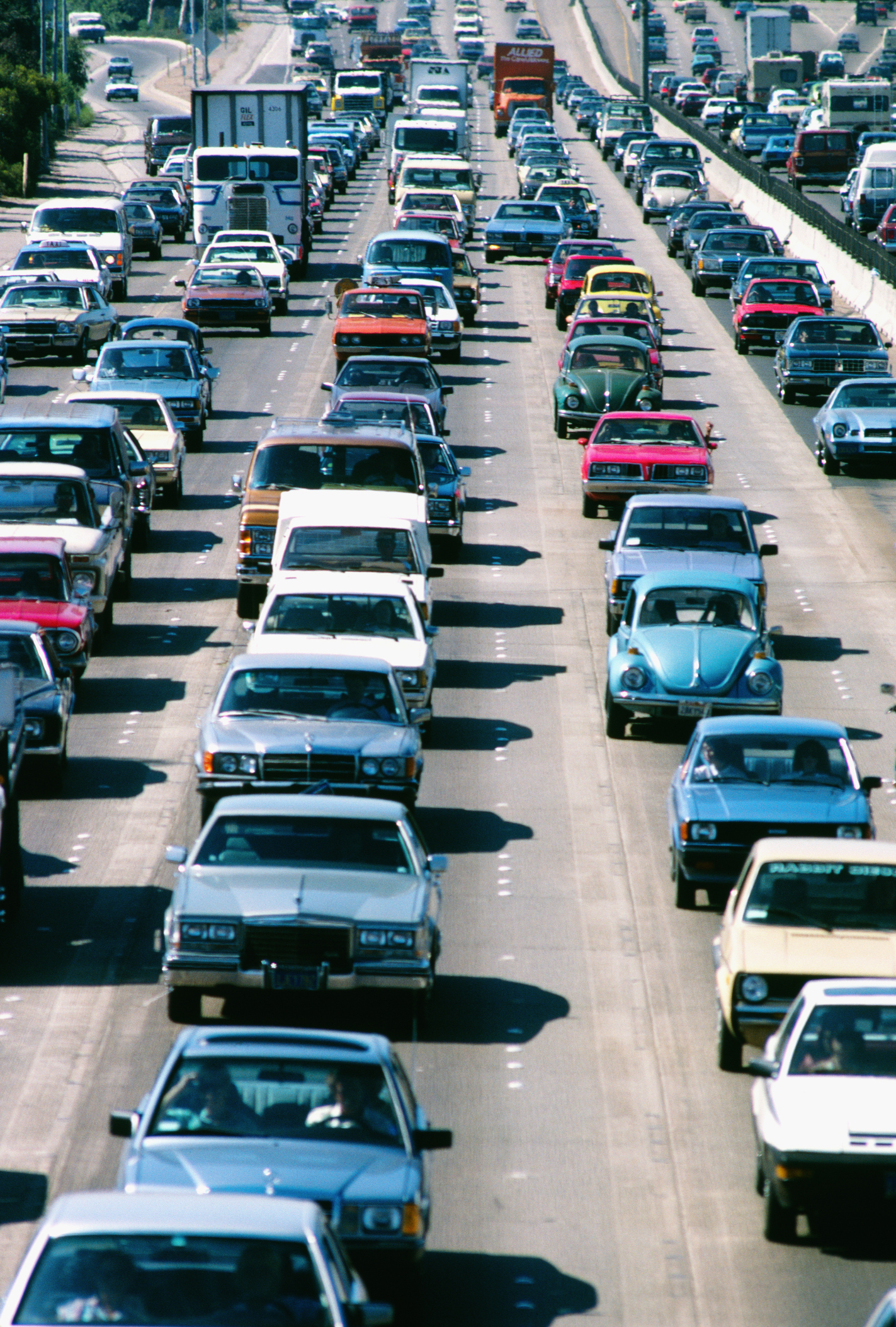
Firstly, it dramatically reduces traffic congestion, especially during peak hours. Fewer cars idling in traffic jams mean less fuel wasted and lower emissions of pollutants like carbon monoxide and nitrogen oxides. These pollutants contribute to smog and respiratory problems, so reducing them benefits public health directly. Ride-sharing helps alleviate the urban heat island effect, a phenomenon where densely populated areas experience higher temperatures due to increased energy consumption and reduced vegetation.
Secondly, ride-sharing promotes more efficient use of existing vehicles. Many cars spend most of their time parked, representing a significant underutilization of resources. By filling those empty seats, we make better use of the energy and materials that went into manufacturing those vehicles. This is a key principle of sustainability – maximizing the lifespan and utility of products we already have.
Finally, consistent ride-sharing can even influence people's transportation choices in the long run. As individuals experience the convenience and cost savings of sharing rides, they may become less reliant on owning a personal vehicle altogether. This shift in mindset can lead to increased adoption of public transportation, cycling, and walking, further reducing our collective carbon footprint.
Does eco-driving really save fuel?
Absolutely! Eco-driving techniques, such as smooth acceleration, maintaining a steady speed, and anticipating traffic flow, can significantly improve fuel efficiency. Studies have shown that adopting eco-driving habits can reduce fuel consumption by up to 25%. When combined with ride-sharing, the savings are even more substantial.
Eco-Driving Habits to Maximize Ride-Sharing's Impact
Ride-sharing provides a fantastic foundation for reducing your environmental impact, but pairing it with conscious eco-driving habits amplifies those benefits even further. Here are a few key strategies to incorporate into your daily driving routine: Plan your route strategically: Before you even start the engine, take a few minutes to map out the most efficient route. Avoid areas known for heavy traffic, construction, or frequent stops. Using GPS navigation apps that provide real-time traffic updates can help you adjust your route on the fly and minimize unnecessary idling. Maintain a steady speed: Aggressive acceleration and braking are major fuel wasters. Instead, aim for smooth, gradual acceleration and maintain a consistent speed whenever possible. Use cruise control on highways to help regulate your speed and avoid sudden surges or drops in velocity. Keep your tires properly inflated: Underinflated tires increase rolling resistance, forcing your engine to work harder and consume more fuel. Check your tire pressure regularly (at least once a month) and inflate them to the manufacturer's recommended level. You can find the recommended tire pressure on a sticker inside your driver's side door or in your owner's manual. Reduce unnecessary weight: Extra weight in your vehicle reduces fuel efficiency. Remove any unnecessary items from your trunk or backseat. Even small amounts of weight can add up over time, so decluttering your car regularly can make a noticeable difference. Avoid idling: Idling consumes fuel without moving you anywhere. If you're stopped for more than a minute, turn off your engine. Modern cars are designed to restart quickly and efficiently, so you won't damage your engine by turning it off and on frequently. Regular maintenance: A well-maintained car is an efficient car. Ensure your vehicle receives regular tune-ups, oil changes, and air filter replacements. A clean air filter allows your engine to breathe more easily, improving fuel economy.
By integrating these eco-driving practices into your ride-sharing routine, you'll not only minimize your environmental impact but also save money on fuel and vehicle maintenance.
What are the best eco-driving habits?
While all the habits above are beneficial, prioritizing smooth acceleration, maintaining proper tire inflation, and avoiding unnecessary idling offer the biggest impact for the least effort. These simple adjustments can quickly translate to noticeable fuel savings and a reduction in emissions.
Beyond the Individual: Collective Action and Community Benefits
The power of ride-sharing extends beyond individual actions. When communities embrace ride-sharing as a viable transportation option, the benefits multiply exponentially.
Reduced traffic congestion leads to shorter commute times, less stress for drivers, and improved air quality for everyone. As more people choose to share rides, cities can invest less in expanding roadways and parking infrastructure, freeing up resources for other essential services like public transportation, parks, and green spaces.
Furthermore, ride-sharing fosters a sense of community. Sharing a ride with neighbors, coworkers, or fellow students can create opportunities for social interaction and connection. It can also help bridge transportation gaps for individuals who may not have access to a personal vehicle, such as seniors, students, or low-income residents.
Ride-sharing initiatives can also be integrated with smart city planning, using technology to optimize transportation networks and promote sustainable mobility. Real-time ride-matching apps, dynamic pricing incentives, and integrated public transportation options can make ride-sharing even more convenient and attractive.
Can eco-driving make my car last longer?
Yes, eco-driving habits can contribute to the longevity of your vehicle. Smooth acceleration and braking reduce wear and tear on your brakes, tires, and engine. Avoiding aggressive driving minimizes stress on your car's components, potentially extending its lifespan and reducing maintenance costs.
Making Ride-Sharing a Habit
Adopting any new habit takes time and effort. Here are a few tips to make ride-sharing a sustainable part of your lifestyle: Start small: Don't try to overhaul your entire transportation routine overnight. Begin by offering or accepting rides a few times a week, and gradually increase the frequency as you become more comfortable. Utilize ride-sharing apps: Several apps are designed to connect drivers and passengers who are traveling in the same direction. These apps make it easy to find ride-sharing opportunities and coordinate logistics. Communicate with your network: Let your friends, family, and coworkers know that you're interested in ride-sharing. You may be surprised at how many people are also looking for ways to save money and reduce their environmental impact. Create a ride-sharing group: Organize a ride-sharing group within your workplace, neighborhood, or school. This can make it easier to find reliable ride-sharing partners and build a sense of community. Be flexible and adaptable:Ride-sharing may not always be feasible or convenient. Be prepared to adjust your plans as needed and don't get discouraged if you encounter occasional setbacks. The key is to remain committed to the overall goal of reducing your environmental impact.
Every small action adds up, and together, we can create a more sustainable and equitable transportation system. So, start exploring your ride-sharing options today and become part of the solution.
Post a Comment for "How Ride-Sharing Reduces Environmental Impact"