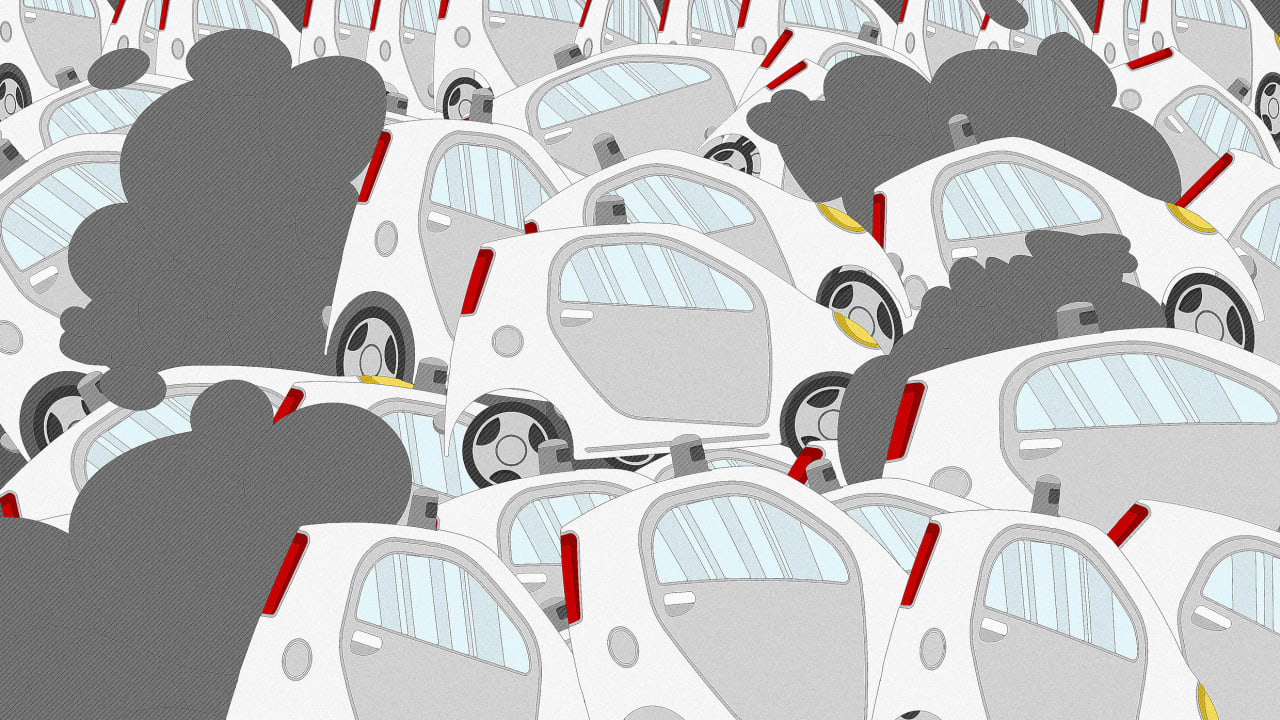
Ever wonder if your daily commute could be a little kinder to the planet, and maybe even to your wallet? We all know that feeling of watching the gas gauge drop, or feeling a twinge of guilt about our carbon footprint. But what if the future of driving could help solve both those problems at once?
Eco-driving isn't just a trend; it's a practical approach to minimizing your vehicle's environmental impact while maximizing fuel efficiency. By adopting fuel-efficient driving habits, you’re not only saving money at the pump but also actively contributing to cleaner air and a healthier planet. That’s because every drop of fuel saved translates directly into fewer emissions released into the atmosphere. Before we explore how autonomous driving helps in reducing emissions, here’s an eco-driving tip you can use today: try accelerating gently! Jackrabbit starts waste fuel and increase emissions.
How Autonomous Cars Could Reduce Emissions
The buzz around autonomous vehicles (AVs) is often focused on convenience and safety, but there’s a compelling argument to be made for their potential to significantly reduce emissions. The key lies in how these self-driving cars are programmed and how they interact with each other on the road. Think of it as a symphony of smoothly operating vehicles, rather than a chaotic free-for-all of human drivers.
Autonomous vehicles have the potential to revolutionize our roads, not just in terms of convenience, but also in terms of environmental impact. Here's how: Optimized Routing and Traffic Flow: AVs can communicate with each other and with traffic management systems to choose the most efficient routes in real-time. This means avoiding congested areas, reducing idling time, and optimizing speed for fuel efficiency. Imagine a network of cars seamlessly flowing through the city, minimizing stops and starts that guzzle fuel. Smooth and Consistent Driving: One of the biggest advantages of autonomous driving is its ability to maintain consistent speeds and avoid sudden acceleration or braking. These habits, often subconscious in human drivers, are major contributors to fuel inefficiency. AVs can be programmed for smooth, gradual acceleration and deceleration, maximizing fuel economy. Reduced Stop-and-Go Traffic: By coordinating their movements, AVs can minimize the "phantom traffic jams" that plague our highways. These jams often occur due to human error or overreaction, causing unnecessary braking and acceleration. Autonomous systems can anticipate and react to changes in traffic flow more efficiently, maintaining a smoother, more consistent speed. Eco-Routing and Green Driving Strategies: AVs can be programmed with "eco-routing" algorithms that prioritize routes with lower emissions. These routes might consider factors like traffic patterns, elevation changes, and speed limits to minimize fuel consumption. They can also incorporate green driving strategies like avoiding aggressive acceleration and maintaining optimal speeds. Optimized Vehicle Spacing (Platooning): In highway settings, AVs can travel in close formation, known as "platooning," to reduce wind resistance and improve fuel efficiency. This is similar to how cyclists draft behind each other to conserve energy. The lead vehicle breaks the wind for the following vehicles, resulting in significant fuel savings for the entire platoon. Downsized Vehicles and Shared Mobility: The widespread adoption of autonomous vehicles could lead to a shift towards smaller, more efficient vehicles designed specifically for autonomous operation. Furthermore, AVs could facilitate the growth of shared mobility services, reducing the number of cars on the road and promoting more efficient use of transportation resources. Instead of owning a personal vehicle that sits idle most of the time, people could rely on on-demand autonomous vehicles for their transportation needs.
How Could Autonomous Taxis and Ride-Sharing Change Urban Commuting?
Imagine summoning an autonomous taxi that arrives precisely when you need it, whisks you to your destination via the most efficient route, and then seamlessly moves on to its next passenger. This vision of autonomous ride-sharing has the potential to dramatically transform urban commuting and significantly reduce emissions.
Autonomous taxis can optimize routes based on real-time traffic conditions, minimizing travel time and fuel consumption. They can also be programmed to prioritize routes that avoid congested areas and reduce idling time, further reducing emissions. Because they would theoretically be in constant use, autonomous ride-sharing services can maximize vehicle utilization, reducing the overall number of vehicles needed to serve a given population. This can lead to less traffic congestion, less parking demand, and lower emissions.
Furthermore, the convenience and affordability of autonomous ride-sharing could encourage more people to leave their personal vehicles at home, opting instead for a shared ride. This shift away from personal car ownership can have a significant impact on emissions, as fewer cars on the road translate directly into lower fuel consumption and air pollution.
Are There Any Drawbacks to Consider?
While the potential benefits of autonomous vehicles for emissions reduction are significant, it's important to acknowledge that there are also potential drawbacks to consider. One concern is the "rebound effect," which suggests that increased efficiency can sometimes lead to increased consumption. For example, if autonomous vehicles make driving cheaper and more convenient, people might drive more, potentially offsetting some of the emissions reductions.
Another concern is the energy consumption associated with the production and maintenance of autonomous vehicles. The sensors, computers, and other technologies required for autonomous driving can be energy-intensive to manufacture and operate. It's important to consider the full life-cycle impact of these technologies to ensure that they are truly contributing to emissions reduction.
Finally, there are ethical considerations to consider, such as the potential for job displacement in the transportation industry and the need to ensure that autonomous vehicles are accessible to all members of society. It’s important to design sustainable car habits, keeping the needs of all people in mind.
Simple Eco-Driving Habits You Can Start Today
Even without a fully autonomous fleet, you can make a difference right now. Simple changes to your driving habits can have a surprisingly large impact on your fuel consumption and emissions. Embracing climate-friendly commuting is easier than you think.
Here are a couple of actionable eco-driving tips to integrate into your daily routine: Maintain Proper Tire Pressure: Underinflated tires increase rolling resistance, forcing your engine to work harder and consume more fuel. Check your tire pressure regularly and inflate them to the recommended level (found on a sticker inside your driver's side door or in your owner's manual). It’s a small effort that makes a big difference! Anticipate Traffic and Coast When Possible: Instead of slamming on the brakes at the last minute, try to anticipate traffic flow and coast to a stop whenever possible. This reduces the need for hard braking and acceleration, which waste fuel. Look ahead, maintain a safe following distance, and let momentum work for you.
Does Eco-Driving Really Save Fuel?
Absolutely! Numerous studies have shown that eco-driving techniques can significantly improve fuel economy. By adopting fuel-efficient driving habits, drivers can typically reduce their fuel consumption by 10-25%. Over time, these savings can add up to hundreds or even thousands of dollars per year, not to mention the positive impact on the environment.
The amount of fuel saved through eco-driving depends on various factors, including the type of vehicle, driving conditions, and individual driving habits. However, even small changes in driving behavior can lead to noticeable improvements in fuel economy.
What Are the Best Eco-Driving Habits?
Beyond the tips mentioned above, here are some other effective eco-driving habits to incorporate into your routine: Avoid Idling: Idling wastes fuel and emits pollutants into the air. If you're going to be stopped for more than a minute, turn off your engine. Modern engines are designed to be restarted without causing excessive wear and tear. Use Cruise Control on the Highway: Cruise control helps maintain a consistent speed, which can improve fuel economy on long highway drives. Just be sure to disengage it in heavy traffic or on winding roads. Reduce Weight in Your Vehicle: Extra weight increases fuel consumption. Remove unnecessary items from your car, such as sporting equipment, tools, or other items you don't need on a daily basis. Combine Errands into One Trip: Making multiple short trips can consume more fuel than one longer trip. Plan your errands carefully and combine them into a single route to minimize driving distance and fuel consumption. Service your vehicle:Keeping your vehicle properly maintained by checking the engine, fluids, filters, and tires can go a long way in making sure it doesn’t waste fuel or emit excess pollutants.
Can Eco-Driving Make My Car Last Longer?
Yes, in many ways it can! Eco-driving isn't just about saving fuel; it's also about driving in a smoother, more controlled manner. This can reduce wear and tear on your vehicle's components, potentially extending its lifespan.
For example, gentle acceleration and braking reduce stress on the engine, transmission, and brakes. Avoiding hard stops and starts can also minimize wear on your tires and suspension. By driving more smoothly and predictably, you can help your car last longer and reduce the need for costly repairs. Furthermore, by adopting green driving strategies, you are directly caring for the environment and reducing your environmental impact.
Every small choice adds up. Whether it's checking your tire pressure, anticipating traffic, or simply being more mindful of your acceleration, you're making a difference. You have the power to reduce your carbon footprint and contribute to a cleaner, healthier future. Let's embrace these sustainable car habits together and drive towards a brighter tomorrow!
Post a Comment for "How Autonomous Cars Could Reduce Emissions"