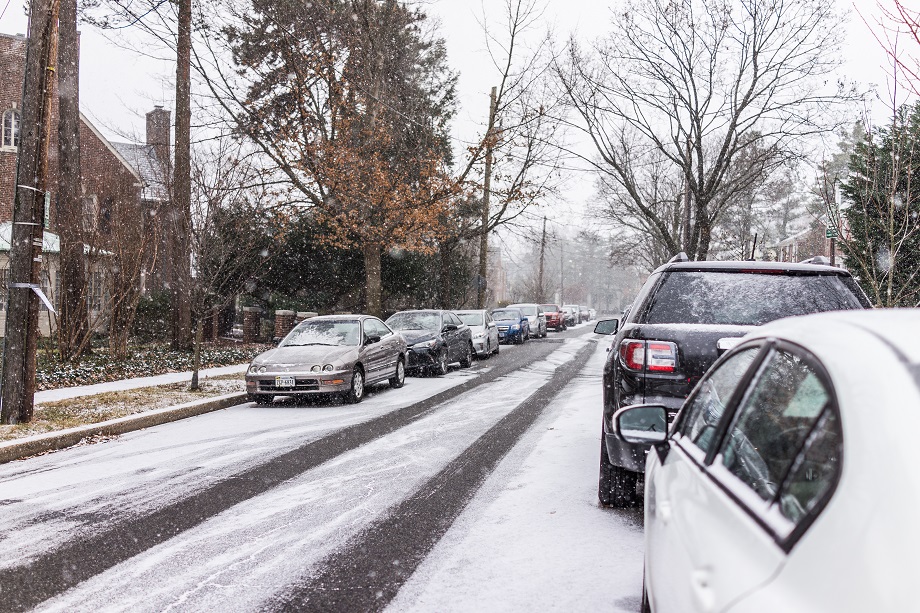
Winter driving presents unique challenges, and it can feel like your fuel efficiency takes a nosedive as temperatures drop. But what if you could navigate snowy roads and icy conditions while also reducing your environmental impact and saving money? It's more achievable than you might think!
Practicing eco-driving, especially during the winter months, isn't just about being environmentally conscious; it's about smart driving. By adopting fuel-efficient driving habits, you’re not only lessening your vehicle's emissions and contributing to cleaner air, but you're also putting money back in your wallet by reducing fuel consumption. It's a win-win!
One immediate thing you can do is to avoid excessive idling. Modern engines warm up much faster while driving than when sitting idle. Unless you’re defrosting your windshield, start driving gently shortly after starting the engine. This simple change can significantly reduce fuel waste, especially during cold weather.
Eco-Friendly Winter Driving Strategies
Winter's icy grip doesn't have to mean a heavier footprint on the environment or a bigger dent in your wallet. With a few simple adjustments to your driving habits and vehicle maintenance, you can navigate the cold season responsibly and efficiently. Let’s explore some eco-friendly winter driving strategies.
Prepping Your Vehicle for Winter Efficiency
Getting your car ready for winter isn't just about safety; it's also about maximizing fuel efficiency and minimizing your environmental impact. Proper maintenance ensures your car runs smoothly and doesn't waste fuel unnecessarily.
Tire Pressure: Your Secret Weapon
Maintaining proper tire pressure is crucial year-round, but it's especially important in winter. Cold weather causes tire pressure to decrease, which can reduce fuel efficiency and compromise handling. Check your tire pressure regularly (at least once a week) and inflate them to the manufacturer's recommended level (found on the sticker inside your driver's side door or in your owner's manual). A simple tire pressure gauge can be a lifesaver and a money-saver! Underinflated tires increase rolling resistance, forcing your engine to work harder and burn more fuel.
Winter Tires: Safety and Efficiency Combined
Consider using winter tires if you live in an area with frequent snow or ice. While they might seem like an added expense, winter tires provide superior grip and handling in cold conditions, which can actually improve fuel efficiency compared to using all-season tires that struggle in the snow. The increased traction reduces wheel spin, preventing wasted energy and fuel. Think of them as an investment in both safety and fuel savings.
Regular Maintenance: Keep Everything Running Smoothly
A well-maintained vehicle is an efficient vehicle. Make sure your car is up-to-date on all its scheduled maintenance, including oil changes, filter replacements, and tune-ups. A clean air filter, for example, allows the engine to breathe easier, improving fuel economy. Also, ensure your engine coolant is at the correct level and concentration to prevent freezing and overheating, both of which can affect fuel efficiency. Regular maintenance can help you identify and address potential problems before they lead to bigger, more costly, and less eco-friendly issues.
Eco-Driving Habits for Winter
Adjusting your driving style is one of the most impactful ways to reduce your carbon footprint and save fuel, regardless of the season. In winter, however, these habits become even more crucial, as challenging road conditions can easily lead to wasteful driving practices.
Smooth Acceleration and Braking: The Key to Efficiency
Aggressive acceleration and hard braking are major fuel wasters. In winter, these habits are not only inefficient but also dangerous. Practice smooth, gradual acceleration and anticipate stops to avoid sudden braking. Gentle acceleration conserves fuel, and smooth braking reduces wear and tear on your brakes (and helps prevent skidding!). Imagine you have a cup of coffee on your dashboard – drive in a way that keeps it from spilling.
Maintain a Steady Speed: Avoid the Speed Demons (and Save Gas!)
Maintaining a consistent speed on the highway is another key fuel-efficient driving habit. Use cruise control when road conditions allow (avoid using it on icy or snowy roads). Varying your speed constantly requires more energy and fuel. Also, remember that fuel economy generally decreases at speeds above 50 mph. Driving at a slightly slower speed not only improves your safety in winter conditions but also significantly reduces fuel consumption.
Minimize Idling: Turn It Off When You Can
As mentioned earlier, excessive idling is a major fuel waster, especially in winter. Modern engines warm up quickly while driving, so there's no need to let your car idle for extended periods. If you're stopped for more than a minute, turn off the engine. This simple habit can save you a surprising amount of fuel over the course of the winter. The exception is if you are defrosting your windshield – safety always comes first.
Plan Your Routes: Smart Navigation Saves Time and Fuel
Before heading out, especially during winter weather, plan your route carefully. Check traffic conditions and choose the most efficient route to avoid congestion and delays. Use navigation apps to find alternative routes if necessary. Planning ahead can save you time, fuel, and stress, all while reducing your carbon footprint.
Winter-Specific Considerations for Eco-Driving
Winter presents some unique challenges to eco-driving. Icy roads, snowstorms, and cold temperatures can all impact fuel efficiency and require adjustments to your driving habits.
Be Mindful of Winter Weather Advisories
Pay attention to weather forecasts and advisories. If conditions are particularly hazardous, consider postponing your trip or using alternative transportation if possible. Driving in severe winter weather is not only dangerous but also fuel-intensive. The extra effort your car exerts to navigate through snow and ice burns fuel at a faster rate.
Clear Snow and Ice from Your Vehicle
Before driving, make sure to clear all snow and ice from your vehicle, including the roof, windows, mirrors, and lights. Snow and ice buildup can significantly reduce visibility and increase aerodynamic drag, both of which negatively impact fuel efficiency. A snow-covered roof can also be a hazard to other drivers, as snow can fly off and obstruct their vision.
Use Defrosters and Heated Seats Judiciously
While defrosters and heated seats are essential for comfort and safety in winter, they also consume energy and increase fuel consumption. Use them sparingly and only when necessary. For example, once your windows are defrosted, turn off the defroster to reduce the load on your engine. Similarly, use heated seats only until you feel warm, then turn them off or down to a lower setting.
Avoid Driving in Deep Snow When Possible
Driving in deep snow requires significantly more effort from your engine and burns more fuel. If possible, avoid driving on roads that are covered in deep snow. Choose routes that are well-plowed and cleared. If you must drive in deep snow, maintain a low speed and avoid sudden acceleration or braking to minimize wheel spin and fuel waste.
Remote Starters: Use with Caution
Remote starters can be convenient for warming up your car before you get in, but they can also contribute to fuel waste and emissions. If you use a remote starter, limit the idling time to a few minutes and only use it when necessary. Remember that modern engines warm up faster while driving. Consider the impact of remote starting on your fuel consumption and use it responsibly.
Long-Term Benefits of Eco-Friendly Winter Driving
Adopting eco-friendly winter driving strategies not only benefits the environment and your wallet in the short term but also offers long-term advantages.
Reduced Vehicle Wear and Tear
Gentle driving habits, such as smooth acceleration and braking, can reduce wear and tear on your vehicle, extending its lifespan and reducing maintenance costs. Avoiding aggressive driving and excessive idling can help preserve your engine, brakes, tires, and other components.
Lower Insurance Premiums
Some insurance companies offer discounts for drivers who demonstrate safe and responsible driving habits. By practicing eco-driving and maintaining a clean driving record, you may be eligible for lower insurance premiums.
Increased Resale Value
A well-maintained vehicle that has been driven responsibly is more likely to retain its value over time. When you eventually decide to sell or trade in your car, you'll likely get a better price if you can demonstrate that you've taken good care of it.
Contributes to a Healthier Environment
By reducing your vehicle's emissions, you're contributing to cleaner air and a healthier environment for everyone. Small changes in driving habits can add up to a significant impact on air quality and climate change.
Does eco-driving really save fuel?
Absolutely! Consistent eco-driving habits, like maintaining a steady speed, avoiding aggressive acceleration and braking, and minimizing idling, can significantly improve your fuel economy. You'll see a difference over time.
What are the best eco-driving habits?
Focus on smooth acceleration and braking, maintaining a consistent speed, avoiding excessive idling, properly inflating your tires, and planning your routes efficiently. These habits are simple to implement and can have a big impact on your fuel consumption.
Can eco-driving make my car last longer?
Yes! Gentle driving habits reduce wear and tear on your vehicle's engine, brakes, tires, and other components. This can extend the lifespan of your car and reduce the need for costly repairs.
Adopting eco-friendly winter driving strategies is a journey, not a destination. Start with small changes, be patient with yourself, and celebrate your progress along the way. Every little bit helps, and together, we can make a difference in protecting our planet and saving money while navigating winter’s challenges. By embracing these sustainable car habits, you're not just driving; you're driving responsibly towards a brighter, greener future.
Post a Comment for "Eco-Friendly Winter Driving Strategies"