Worried about rising gas pricesandthe planet? You’re definitely not alone. The good news is, small changes to your driving habits can make a big difference for your wallet and the environment.
Eco-driving isn’t just a trend; it's a smarter, more sustainable way to navigate our world. By adopting fuel-efficient driving habits, you'll not only save money at the pump, but you'll also contribute to cleaner air and a healthier planet. It's a win-win! These green driving strategies collectively reduce our carbon footprint, and as more people embrace them, the impact grows exponentially. Today, let's explore practical eco-driving tips and how the future of urban planning supports a more sustainable automotive landscape. Try this right now: next time you start your car, resist the urge to floor it! Gentle acceleration uses less fuel and reduces emissions significantly.
Eco-Driving: Your First Step to a Greener Tomorrow
Eco-driving encompasses a range of techniques and habits focused on maximizing fuel efficiency and minimizing emissions. It's about being mindful of your driving style and making conscious choices that benefit both your pocketbook and the environment. It's not about sacrificing performance or convenience; it's about optimizing your driving for sustainability. Think of it as climate-friendly commuting!
Does eco-driving really save fuel?
Absolutely! Studies have shown that adopting eco-driving techniques can improve fuel efficiency by up to 25%. That translates to significant savings at the gas pump over time. By practicing fuel-efficient driving habits consistently, you can dramatically decrease your fuel consumption. Simple things like avoiding aggressive acceleration and maintaining a steady speed can make a huge difference. The harder you accelerate, the more fuel your car burns. Gradual acceleration and smooth braking contribute significantly to fuel conservation. Moreover, anticipating traffic flow and avoiding unnecessary stops and starts further optimizes fuel economy.
Key Eco-Driving Techniques
Let's dive into some specific techniques you can start using today. These aren't complicated, and with a little practice, they'll become second nature.
Smooth Acceleration and Braking: As we touched on earlier, avoid sudden bursts of speed and hard braking. Accelerate gently and anticipate traffic flow to avoid unnecessary stops. Maintain a Steady Speed: Cruise control is your friend! Maintaining a consistent speed on highways and open roads minimizes fuel consumption. Try to avoid constantly speeding up and slowing down. Anticipate Traffic: Pay attention to the road ahead and anticipate changes in traffic flow. This allows you to adjust your speed gradually and avoid sudden braking. Look well ahead, beyond the car immediately in front of you. Avoid Idling: Idling wastes fuel and emits pollutants. If you're stopped for more than a minute, turn off your engine. Modern cars are designed to restart quickly and efficiently, so you won't damage your engine. It's a small action with a big impact. Proper Tire Inflation: Underinflated tires increase rolling resistance, which reduces fuel efficiency. Check your tire pressure regularly and inflate them to the recommended level (found on a sticker inside your driver's side door or in your owner's manual). Reduce Aerodynamic Drag: Remove unnecessary items from your roof rack or cargo carrier, as they increase wind resistance and decrease fuel economy. The less your car has to fight against the wind, the better your mileage will be. Combine Errands:Planning your trips efficiently can reduce the number of miles you drive. Group your errands together to minimize cold starts, which consume more fuel.
The Future of Urban Planning and Sustainable Transportation
Urban planning plays a crucial role in promoting sustainable transportation and reducing reliance on personal vehicles. By designing cities that prioritize walking, cycling, and public transportation, we can create more livable and environmentally friendly communities. Sustainable car habits also include considering alternative transportation when feasible.
How can cities encourage eco-driving?
Cities can implement several strategies to encourage eco-driving and sustainable transportation, including: Investing in Public Transportation: Providing convenient and affordable public transportation options encourages people to leave their cars at home. Creating Bike-Friendly Infrastructure: Building bike lanes and paths makes cycling safer and more appealing. Promoting Carpooling and Ride-Sharing: Encouraging carpooling and ride-sharing reduces the number of vehicles on the road. Implementing Congestion Pricing: Charging tolls during peak hours can discourage driving in congested areas. Offering Incentives for Electric Vehicles: Providing tax credits or rebates for electric vehicles can encourage their adoption. Developing Smart Traffic Management Systems: Utilizing technology to optimize traffic flow can reduce congestion and improve fuel efficiency.
The Rise of Electric Vehicles and Hybrid Technologies
Electric vehicles (EVs) and hybrid technologies are revolutionizing the automotive industry. EVs produce zero tailpipe emissions, while hybrids offer improved fuel efficiency compared to traditional gasoline-powered vehicles.
What are the benefits of driving an electric vehicle?
Driving an electric vehicle offers numerous benefits, including: Zero Tailpipe Emissions: EVs produce no tailpipe emissions, contributing to cleaner air and a healthier environment. Lower Running Costs: Electricity is typically cheaper than gasoline, resulting in lower fuel costs. Reduced Maintenance: EVs have fewer moving parts than gasoline-powered vehicles, reducing maintenance requirements. Quieter Operation: EVs operate much quieter than gasoline-powered vehicles, reducing noise pollution. Government Incentives:Many governments offer tax credits or rebates for electric vehicle purchases.
Furthermore, the charging infrastructure for EVs is constantly expanding, making it easier to charge your vehicle at home, at work, or on the road. As battery technology improves, the range of EVs is also increasing, making them a practical option for more drivers.
How Urban Planning Supports Eco-Friendly Driving
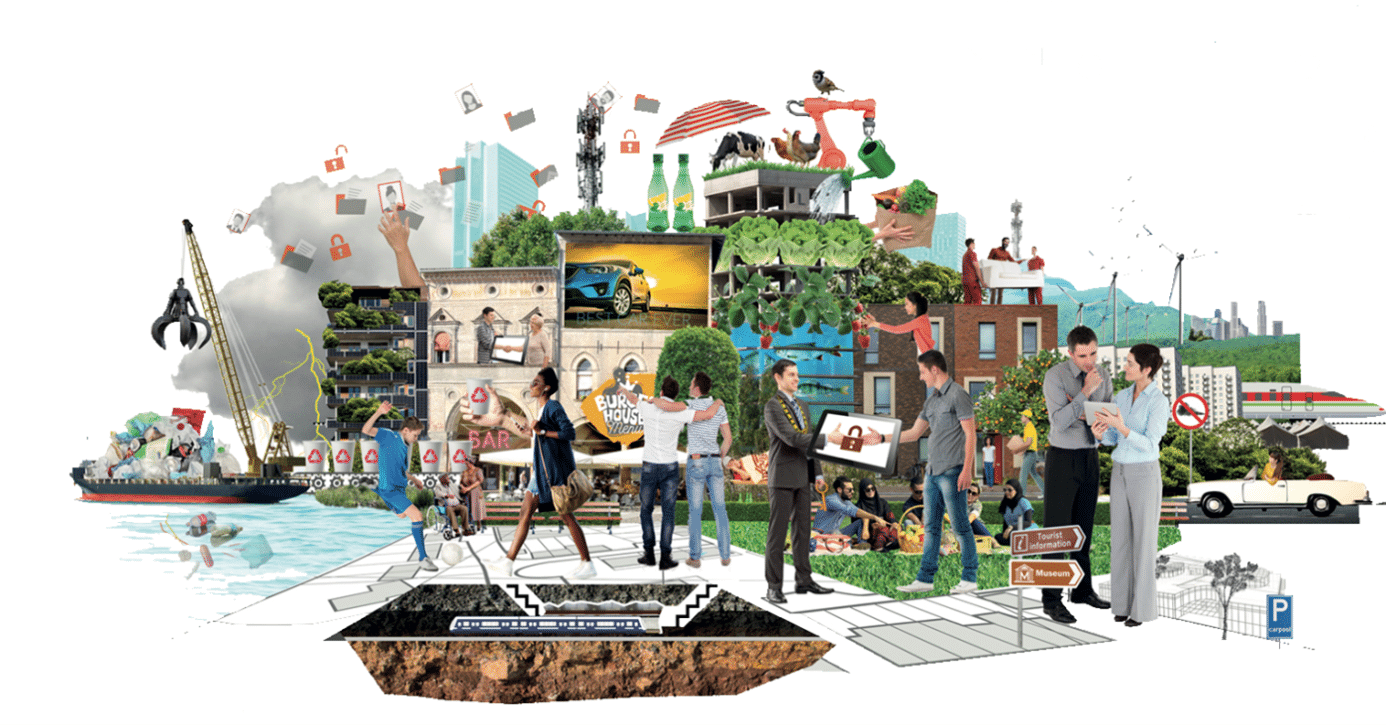
Thoughtful urban planning can significantly contribute to the adoption of eco-friendly driving practices and the broader sustainability of transportation. When cities are designed with sustainability in mind, it becomes easier for residents to choose greener modes of transportation and adopt eco-conscious driving habits. Here's how: Compact, Mixed-Use Development: Creating neighborhoods where residential, commercial, and recreational areas are located close together reduces the need for driving. People can walk or bike to shops, restaurants, and workplaces, minimizing their reliance on cars. Prioritizing Pedestrian and Bicycle Infrastructure: Investing in sidewalks, bike lanes, and pedestrian-friendly streets makes walking and cycling safer and more appealing. This encourages people to choose these modes of transportation for short trips, reducing traffic congestion and emissions. Integrating Public Transportation: Designing cities around efficient and reliable public transportation systems is crucial. This includes bus rapid transit, light rail, and subway systems that connect different parts of the city and provide a viable alternative to driving. Smart Parking Management: Implementing strategies like parking pricing, shared parking, and park-and-ride facilities can discourage unnecessary driving and encourage the use of public transportation. Green Buildings and Infrastructure: Promoting green building practices and incorporating green infrastructure, such as green roofs and permeable pavements, can reduce the environmental impact of urban development. Electric Vehicle Charging Infrastructure: Ensuring that there are ample and accessible charging stations for electric vehicles is essential to encourage their adoption. This includes providing charging stations in residential areas, workplaces, and public spaces. Traffic Calming Measures:Implementing traffic calming measures, such as speed bumps and roundabouts, can slow down traffic and make streets safer for pedestrians and cyclists. This can also encourage more eco-friendly driving habits.
Your Role in the Eco-Driving Revolution
You have the power to make a difference. By adopting eco-driving habits and supporting sustainable urban planning initiatives, you can contribute to a cleaner, healthier, and more sustainable future. Every small change you make adds up, and together, we can create a significant impact.
Can eco-driving make my car last longer?
Yes, it can! Smooth acceleration and braking reduce wear and tear on your vehicle's components, potentially extending its lifespan. Harsh driving puts extra stress on your engine, brakes, and tires. By driving more gently, you can reduce the likelihood of costly repairs and keep your car running smoothly for longer. Moreover, practicing good maintenance habits, such as regular oil changes and tire rotations, further contributes to the longevity of your vehicle. It's all about being mindful of how you treat your car.
Embracing eco-driving and advocating for sustainable urban planning are not just individual choices; they are investments in our collective future. By working together, we can create cities that are more livable, environmentally friendly, and economically prosperous. So, start small, stay informed, and inspire others to join the eco-driving revolution. You might be surprised by how much you can save and how much of a positive impact you can have.
Post a Comment for "Eco-Friendly Driving and the Future of Urban Planning"