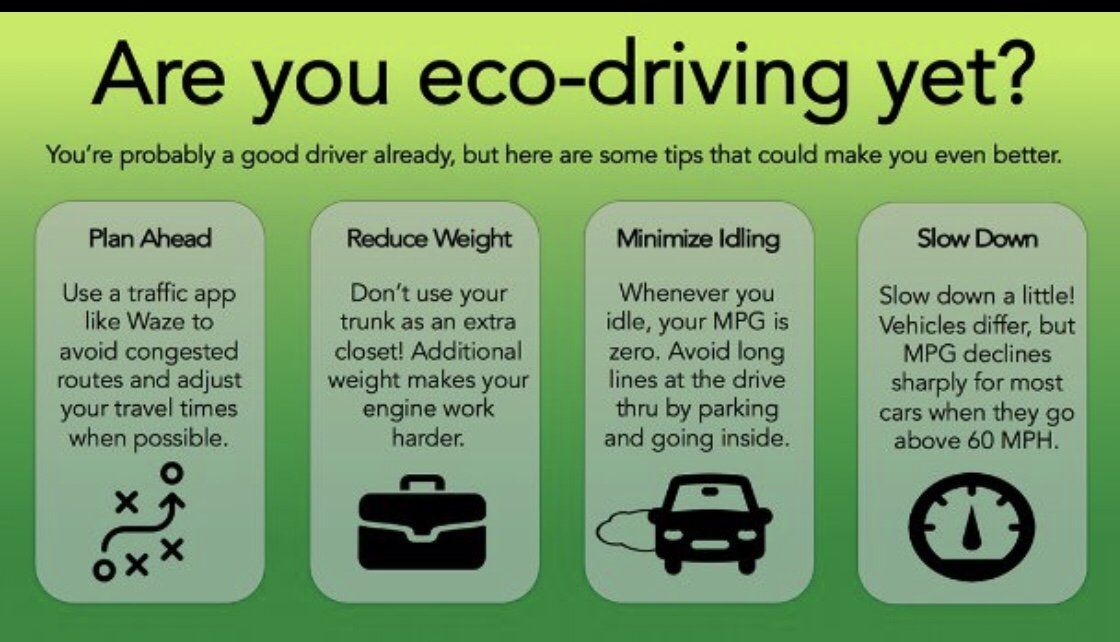
Want to save money at the pump and feel good about your impact on the planet? You're not alone! Many drivers are looking for ways to be more environmentally conscious without sacrificing convenience or breaking the bank.
Eco-driving isn't just a trend; it's a practical approach to driving that benefits both your wallet and the environment. By adopting fuel-efficient driving habits, you can significantly reduce your fuel consumption, saving money on gas and minimizing wear and tear on your vehicle. Even better, these green driving strategies directly translate to lower greenhouse gas emissions, contributing to a healthier planet for everyone. Ready to take control? Try easing off the accelerator and maintaining a steady speed on your next drive – you might be surprised by how much fuel you save!
Eco-Driving: Good for Your Wallet and the Planet
Eco-driving, at its core, is about maximizing fuel efficiency through conscious driving habits. It's about understanding how your driving actions impact your vehicle's fuel consumption and making adjustments to minimize waste. The benefits extend far beyond just saving money. By practicing fuel-efficient driving habits, you're actively reducing your carbon footprint and contributing to cleaner air quality. Imagine if everyone adopted just a few sustainable car habits – the collective impact would be huge! Eco-driving also promotes safer driving overall. Smoother acceleration and braking reduce the risk of accidents, creating a safer environment for everyone on the road. Ultimately, eco-driving is about making responsible choices that benefit both you and the world around you.
Insurance Discounts for Eco-Friendly Drivers: Fact or Fiction?
The idea of getting an insurance discount for being an eco-friendly driver is definitely appealing. While not every insurance company explicitly offers a discount labeled "eco-driving discount," the principles of eco-driving often align with factors thatdoinfluence insurance rates. Think about it: eco-driving emphasizes safe driving practices like maintaining a safe following distance, avoiding speeding, and anticipating traffic flow. Insurance companies love safe drivers!
Telematic Devices and Usage-Based Insurance: The connection between eco-driving and insurance discounts often comes in the form of telematics or usage-based insurance programs. These programs involve installing a device in your car (or using a smartphone app) that monitors your driving behavior. The data collected includes factors like: Speed: Consistent speeding will negatively impact your score. Hard Braking: Frequent hard braking indicates aggressive driving. Acceleration: Rapid acceleration wastes fuel and suggests risky behavior. Mileage: Driving fewer miles generally lowers your risk profile. Time of Day: Driving during high-risk hours (e.g., late at night) can increase your rates.
By demonstrating consistent eco-driving habits through these programs, you can prove that you're a safe driver and qualify for a discount. It's essentially like being rewarded for your responsible driving!
Low-Mileage Discounts: Even if you don't participate in a telematics program, many insurance companies offer discounts for low-mileage drivers. Since eco-driving often involves combining trips, carpooling, or using alternative transportation methods, you may naturally drive fewer miles, making you eligible for this type of discount.
Hybrid and Electric Vehicle (EV) Discounts: While not directly related todrivinghabits, owning a hybrid or electric vehicle often qualifies you for discounts. Insurance companies recognize that these vehicles are environmentally friendly and may offer lower rates as an incentive.
How to Inquire About Eco-Driving Related Discounts: Don't be afraid to ask your insurance provider directly about any potential discounts related to eco-friendly driving. Even if they don't have a specific "eco-driving" discount, inquire about usage-based insurance programs, low-mileage discounts, and discounts for hybrid/EV owners. Prepare to provide details about your driving habits and mileage to demonstrate your commitment to safe and fuel-efficient driving. The worst they can say is no, and you might be pleasantly surprised!
Simple Eco-Driving Habits to Implement Today
The beauty of eco-driving is that it doesn't require any special equipment or significant lifestyle changes. You can start incorporating these fuel-efficient driving habits into your daily routine right now: Gentle Acceleration and Braking: Avoid jackrabbit starts and slamming on the brakes. Accelerate smoothly and gradually, and anticipate stops to allow for gentle deceleration. This reduces fuel consumption and wear and tear on your brakes. Maintain a Steady Speed: Use cruise control on highways to maintain a constant speed. Fluctuations in speed burn more fuel. Anticipate Traffic Flow: Pay attention to the road ahead and anticipate changes in traffic. This allows you to avoid unnecessary braking and acceleration. Avoid Idling: If you're stopped for more than a minute, turn off your engine. Idling wastes fuel and emits pollutants. Modern cars are designed to be restarted easily without causing damage. Proper Tire Inflation: Check your tire pressure regularly and inflate your tires to the recommended level. Underinflated tires increase rolling resistance, which reduces fuel efficiency. Reduce Weight: Remove unnecessary items from your car. Extra weight burns more fuel. Combine Errands: Plan your trips strategically to combine multiple errands into one outing. This reduces the number of trips you take and saves fuel. Proper Car Maintenance: Regular maintenance is key to fuel efficiency. Ensure that your engine is properly tuned, your air filter is clean, and your fluids are topped off. Use Air Conditioning Sparingly:Air conditioning consumes a significant amount of fuel. Use it only when necessary, and consider opening your windows when possible.
Does eco-driving really save fuel?
Absolutely! Studies have consistently shown that eco-driving can significantly improve fuel economy. The exact amount of fuel saved depends on your driving habits and the type of vehicle you drive, but most drivers can expect to see a noticeable improvement. Even small changes can add up over time, saving you hundreds of dollars per year on gas.
What are the best eco-driving habits for city driving?
In city driving, focusing on smooth acceleration and braking is crucial. Avoiding rapid acceleration and anticipating traffic lights can significantly reduce fuel consumption. Minimizing idling is also important in urban environments where you're more likely to be stopped in traffic. Combining errands into one trip is another effective way to save fuel in the city.
Can eco-driving make my car last longer?
Yes, eco-driving can contribute to extending the lifespan of your car. Gentle acceleration and braking reduce wear and tear on your engine, brakes, and tires. Maintaining a steady speed minimizes stress on the drivetrain. By driving more smoothly and predictably, you're essentially treating your car more gently, which can help it last longer and require fewer repairs.
The Ripple Effect: Small Changes, Big Impact
Adopting eco-driving habits is about more than just saving money at the pump; it's about contributing to a more sustainable future. Each small change you make, from avoiding hard acceleration to properly inflating your tires, adds up to a significant reduction in your carbon footprint. By embracing climate-friendly commuting, you're setting a positive example for others and helping to create a culture of environmental responsibility. So, take the first step today! Experiment with different eco-driving tips and see which ones work best for you. Every little bit helps, and together, we can make a real difference.
Post a Comment for "Eco-Driving and Insurance Discounts: What to Know"