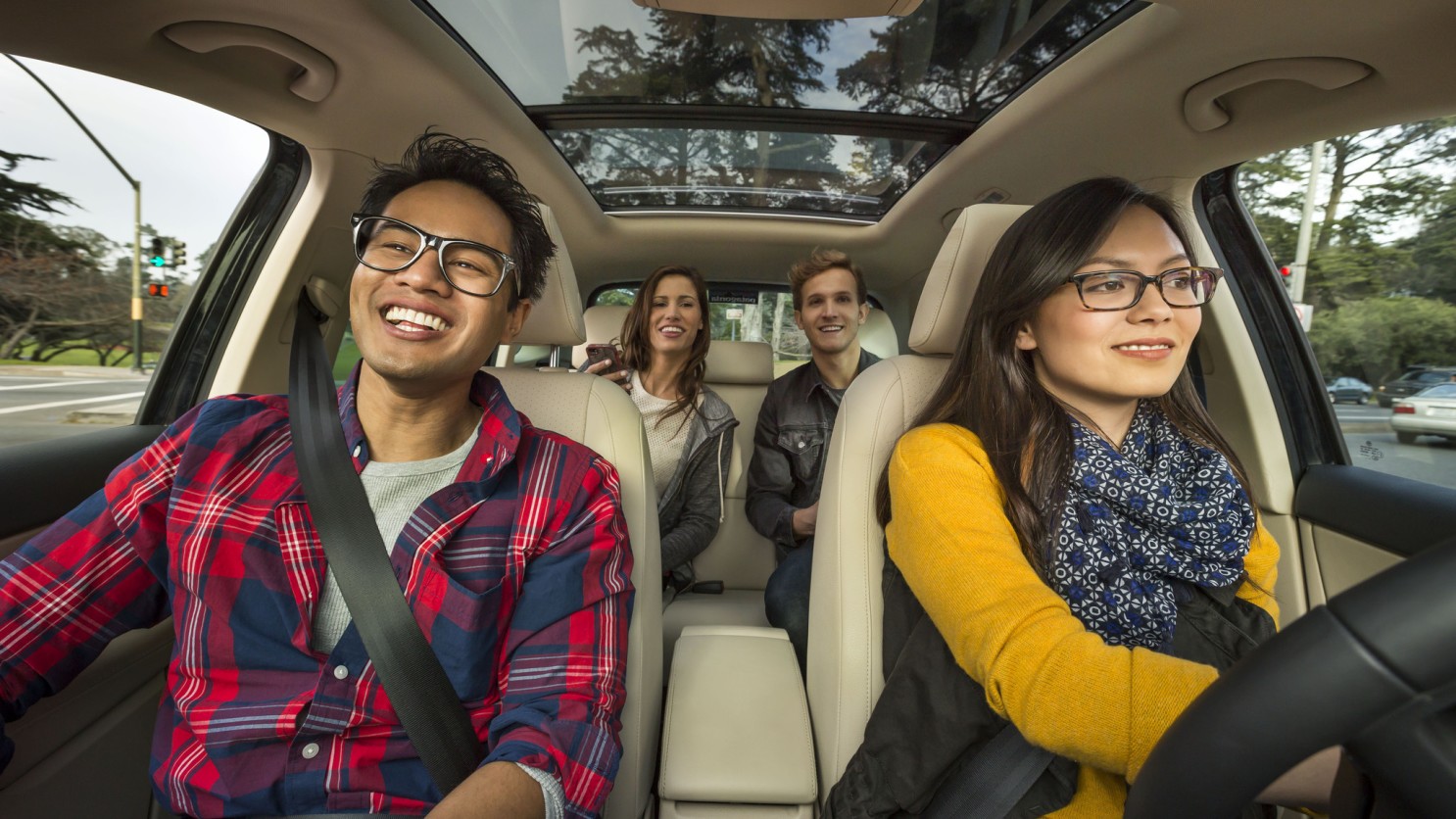
Stuck in rush hour, watching that carpool lane zip by, you’ve probably wondered: do those lanesreallymake a difference for the environment, or is it just wishful thinking? We all want to do our part, but it's hard to tell what actually works.
Eco-driving isn't just a trendy term; it's a practical approach to driving that benefits both your wallet and the planet. By adopting fuel-efficient driving habits, you can significantly reduce your fuel consumption (saving you money at the pump!) and lower your vehicle's emissions, contributing to cleaner air and a healthier environment. It’s a win-win!
Want to see immediate results? Try easing off the accelerator. Aggressive acceleration burns alotof extra fuel. By gently accelerating and maintaining a steady speed, you can drastically improve your fuel economy. Give it a try on your next drive – you might be surprised by the difference!
Carpool Lanes: A Green Solution or Just Greenwashing?
Carpool lanes, also known as High Occupancy Vehicle (HOV) lanes, are designated traffic lanes reserved for vehicles with a minimum number of passengers, typically two or more. The idea is simple: encourage people to share rides, reduce the number of single-occupancy vehicles on the road, and ease traffic congestion. But does this concept truly translate into meaningful environmental benefits? Let's dive into the pros and cons to find out.
How Carpool Lanes Work Towards a Greener Future
The primary environmental benefit of carpool lanes lies in their potential to reduce the overall number of vehicles on the road. Fewer cars equal less traffic congestion, leading to several positive outcomes: Reduced Fuel Consumption: Stop-and-go traffic is a notorious gas guzzler. By easing congestion, carpool lanes allow vehicles to maintain more consistent speeds, minimizing fuel waste. Fuel-efficient driving habits become much easier when you're not constantly braking and accelerating. Lower Greenhouse Gas Emissions: Less fuel consumption directly translates to lower emissions of greenhouse gases like carbon dioxide (CO2), a major contributor to climate change. Carpool lanes support climate-friendly commuting by facilitating more efficient traffic flow. Improved Air Quality:Vehicle exhaust contains pollutants like nitrogen oxides (NOx) and particulate matter (PM), which contribute to smog and respiratory problems. By reducing the number of cars on the road, carpool lanes help improve air quality, especially in urban areas.
In theory, carpool lanes are a fantastic green driving strategy. They incentivize ride-sharing, reduce traffic, and lower emissions. However, the real-world impact is a bit more complex.
The Potential Downsides and Challenges
While carpool lanes offer numerous potential benefits, they also face certain challenges that can limit their effectiveness: Enforcement Issues: Ensuring that only eligible vehicles use carpool lanes can be difficult. Insufficient enforcement can lead to widespread violations, undermining the lane's intended purpose. Underutilization: If carpool lanes are not heavily used, they can actually worsen congestion for regular lanes. This can negate any potential fuel savings and emissions reductions. "Phantom Carpools":Some drivers may resort to unethical tactics to access carpool lanes, such as using inflatable dummies or pretending to be on a phone call. These "phantom carpools" contribute nothing to reducing traffic or emissions. Induced Demand:A theoretical concern is that improved traffic flow in carpool lanes could encourage more people to drive, potentially offsetting the benefits of ride-sharing. This is a complex issue studied by transportation planners.
The Importance of Complementary Strategies
To maximize the environmental benefits of carpool lanes, it's crucial to implement them in conjunction with other sustainable transportation initiatives: Public Transportation: Investing in robust public transportation systems, such as buses, trains, and subways, provides a viable alternative to driving, reducing reliance on personal vehicles. Bike and Pedestrian Infrastructure: Creating safe and accessible bike lanes and pedestrian walkways encourages people to choose active transportation modes, further reducing traffic and emissions. Telecommuting and Flexible Work Arrangements: Encouraging telecommuting and flexible work arrangements can significantly reduce the number of people commuting during peak hours. Electric Vehicle (EV) Incentives: Promoting the adoption of electric vehicles, which produce zero tailpipe emissions, can further reduce the environmental impact of transportation. Some HOV lanes offer special access to EVs regardless of the number of occupants.
By combining carpool lanes with these complementary strategies, we can create a more sustainable and environmentally friendly transportation system.
Eco-Driving Habits That Make a Real Difference
Beyond carpool lanes, there are many simple yet effective eco-driving tips you can incorporate into your daily routine to minimize your environmental impact and save money:
Does eco-driving really save fuel?
Absolutely! Fuel-efficient driving habits can drastically improve your gas mileage. By adopting a smoother, more controlled driving style, you can significantly reduce your fuel consumption. Studies have shown that eco-driving can improve fuel economy by as much as 25%. The savings add up quickly!
What are the best eco-driving habits?
Here are a few key fuel-efficient driving habits to consider: Gentle Acceleration and Braking: Avoid sudden acceleration and harsh braking. Accelerate smoothly and gradually, and anticipate stops to allow for gradual deceleration. Maintain a Steady Speed: Use cruise control on highways to maintain a constant speed and avoid unnecessary acceleration and deceleration. Avoid Idling: Idling wastes fuel and emits pollutants. Turn off your engine if you're going to be stopped for more than a minute. Proper Tire Inflation: Ensure your tires are properly inflated. Underinflated tires increase rolling resistance, which reduces fuel economy. Regular Vehicle Maintenance: Keep your vehicle properly maintained. Regular oil changes, tune-ups, and air filter replacements can improve fuel efficiency. Reduce Aerodynamic Drag: Remove unnecessary items from your roof rack or cargo carrier, as they can increase aerodynamic drag and reduce fuel economy.
These simple adjustments can significantly improve your fuel economy and reduce your carbon footprint.
Can eco-driving make my car last longer?
Yes! Eco-driving isn't just about saving fuel; it's also about treating your vehicle with care. By adopting smoother driving habits, you can reduce wear and tear on your engine, brakes, and tires, potentially extending the life of your vehicle and saving you money on repairs.
Beyond the Lane: Creating a Sustainable Driving Future
Carpool lanes are just one piece of the puzzle when it comes to creating a more sustainable transportation system. While they offer potential environmental benefits, their effectiveness depends on proper implementation, enforcement, and integration with other sustainable transportation strategies. As individual drivers, we all have a role to play in reducing our environmental impact. By embracing eco-driving habits and supporting policies that promote sustainable transportation, we can collectively contribute to a cleaner, healthier, and more sustainable future for everyone.
Every small change you make, from easing off the gas pedal to considering public transportation, adds up to something bigger. You have the power to make a real difference, not just for the environment, but for your wallet too. Embrace sustainable car habits, and let’s drive towards a greener tomorrow, one mindful mile at a time!
Post a Comment for "Carpool Lanes: Do They Really Help the Environment?"