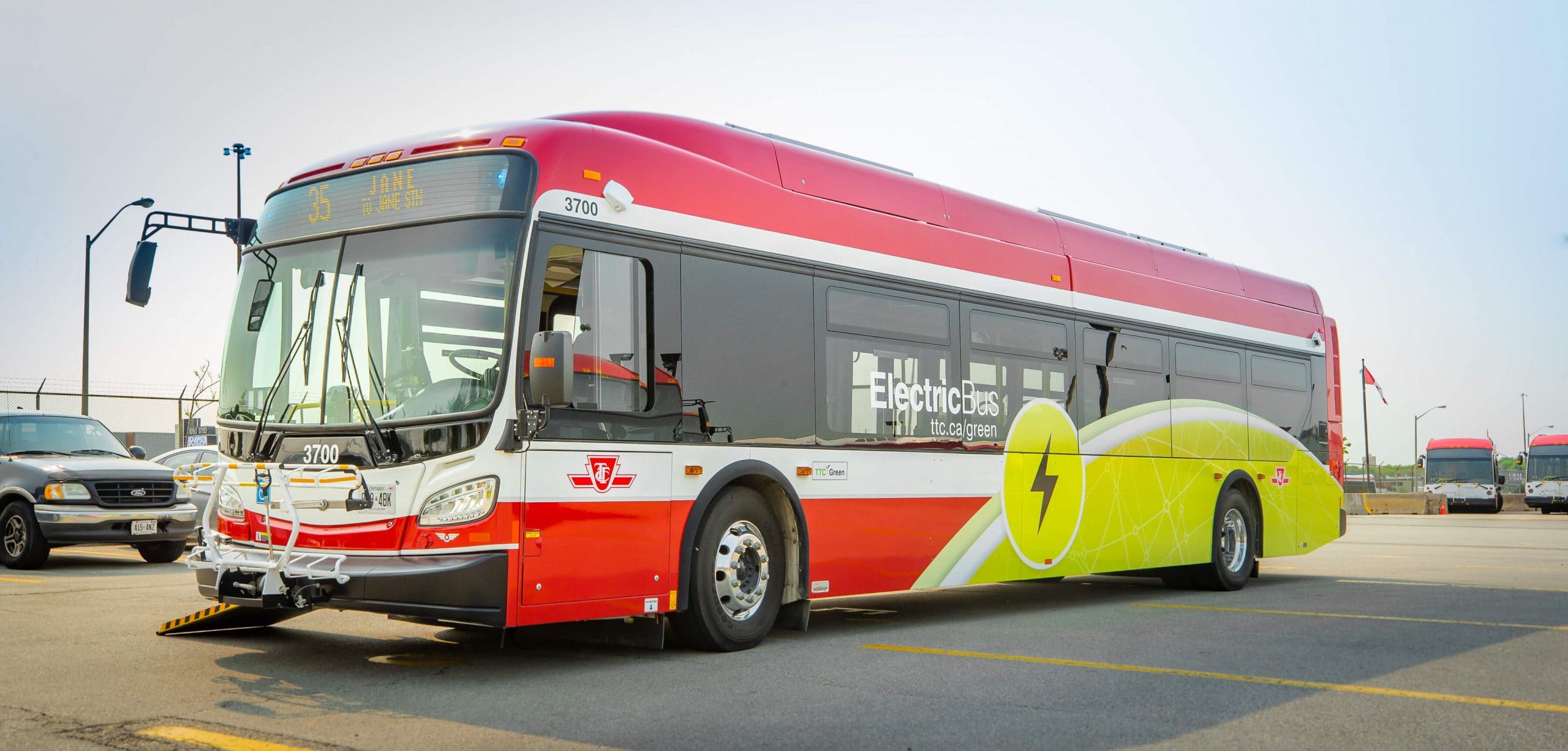
Worried about rising gas pricesanddoing your part for the planet? You're not alone! Many drivers are wondering if their daily commute is the most eco-friendly option, and exploring whether public transportation could be a greener alternative. Let's break down the impact of each choice and explore some simple ways to minimize your footprint on the road.
Eco-driving isn't just a buzzword – it's a practical approach to making a real difference. By adopting fuel-efficient driving habits, you can directly lower your fuel costs and reduce your vehicle's emissions. This means more money in your pocket and a lighter environmental impact, contributing to cleaner air and a healthier planet for everyone. Even small adjustments to your driving style can lead to significant long-term benefits, both personally and globally.
One simple eco-driving tip to try today? Smooth acceleration. Avoid stomping on the gas pedal – ease into acceleration gently. This prevents your engine from working harder than necessary, wasting fuel and increasing emissions. You'll be surprised how much of a difference this simple change can make over time!
Public Transit vs. Driving: Which Is Greener?
The age-old question: is hopping on the bus or train truly better for the environment than driving your own car? It's a complex issue with no simple yes or no answer. Several factors come into play, including the type of vehicle you drive, the efficiency of the public transit system in your area, and even how full the bus or train is. Let's explore the nuances.
To start, consider thevehicle type. A gas-guzzling SUV will have a much higher carbon footprint than a fuel-efficient hybrid or electric vehicle. Older cars also tend to be less efficient and produce more emissions than newer models with advanced engine technology. On the other hand, public transportation emissions are spread across all passengers, potentially making it a more efficient choiceifthe transit system is well-utilized.
Theefficiency of the public transit system is another crucial factor. A modern electric bus fleet running on renewable energy is significantly greener than an older diesel bus operating on inefficient routes. Likewise, a well-maintained and frequently used train system can transport a large number of people with relatively low emissions per passenger.
Rider occupancy also matters. A nearly empty bus has a much higher per-passenger carbon footprint than a packed bus. The more people who utilize public transit, the more efficient it becomes and the greater the environmental benefit. If you live in an area with a robust and well-used public transportation system, it’s likely a more sustainable option than driving alone, especially in a less fuel-efficient vehicle.
Does eco-driving really save fuel?
Absolutely! Numerous studies have proven the effectiveness of eco-driving techniques in improving fuel efficiency. By adopting simple habits like smooth acceleration and braking, maintaining a steady speed, and avoiding unnecessary idling, you can significantly reduce your fuel consumption. Some studies suggest that eco-driving can improve fuel economy by as much as 10-25%, which translates to substantial savings at the pump over time. Beyond the financial benefits, these fuel-efficient driving habits also contribute to a lower carbon footprint. It's a win-win!
Understanding the Environmental Impact of Driving
To make an informed decision about your commuting choices, it's important to understand the full environmental impact of driving a car. This impact extends beyond just the fuel you burn.
Manufacturing:The production of a car requires significant resources and energy. Mining the raw materials, manufacturing the components, and assembling the vehicle all contribute to greenhouse gas emissions and resource depletion.
Fuel Production: Extracting, refining, and transporting gasoline or diesel fuel also has a substantial environmental impact. Oil spills, air pollution from refineries, and the energy used in transportation all contribute to the overall carbon footprint of driving.
Maintenance: Cars require regular maintenance, including oil changes, tire replacements, and other repairs. These activities generate waste and consume resources. Even disposing of a vehicle at the end of its life involves environmental considerations, such as proper recycling of materials.
Emissions: The most direct environmental impact of driving comes from the emissions released from the tailpipe. These emissions include greenhouse gases like carbon dioxide (CO2), as well as pollutants like nitrogen oxides (NOx) and particulate matter (PM), which contribute to air pollution and respiratory problems.
By being mindful of these factors, you can take steps to reduce your impact, whether it's choosing a more fuel-efficient vehicle, practicing eco-driving habits, or opting for public transportation when possible.
Making Eco-Friendly Driving Choices
Even if public transit isn't a viable option for you every day, there are still many ways to practice sustainable car habits and reduce your environmental impact while driving.
Choose a Fuel-Efficient Vehicle: When it's time to buy a new car, consider choosing a fuel-efficient model. Hybrid, electric, and plug-in hybrid vehicles are all excellent options for reducing your fuel consumption and emissions. Even if you're buying a conventional gasoline-powered car, look for models with high fuel economy ratings.
Maintain Your Vehicle: Regular maintenance is crucial for ensuring optimal fuel efficiency. Keep your tires properly inflated, get regular oil changes, and address any mechanical issues promptly. A well-maintained car will run more efficiently and produce fewer emissions.
Reduce Idling: Avoid unnecessary idling. If you're stopped for more than a minute, turn off your engine. Idling wastes fuel and emits pollutants into the air. Modern cars are designed to be turned off and on frequently without causing damage.
Plan Your Trips: Combine errands into a single trip to reduce the number of miles you drive. Plan your route to avoid traffic congestion and minimize stop-and-go driving. Using navigation apps can help you find the most efficient route.
Drive Less Aggressively: Aggressive driving habits, such as speeding, rapid acceleration, and hard braking, significantly decrease fuel efficiency. Drive smoothly and maintain a steady speed to conserve fuel.
Consider Carpooling: If possible, carpool with friends, family, or coworkers. Sharing a ride reduces the number of cars on the road and lowers overall emissions.
What are the best eco-driving habits?
Beyond smooth acceleration, several other eco-driving tips can significantly improve your fuel efficiency and reduce your carbon footprint: Maintain a steady speed: Use cruise control on the highway to avoid fluctuating speeds, which waste fuel. Anticipate traffic: Look ahead and anticipate changes in traffic flow to avoid unnecessary braking and acceleration. Use air conditioning sparingly: Air conditioning can significantly reduce fuel economy. Use it only when necessary and consider opening the windows or using the ventilation system when the weather permits. Remove excess weight: Avoid carrying unnecessary items in your car. Extra weight reduces fuel efficiency. Check your tire pressure regularly:Underinflated tires increase rolling resistance and reduce fuel economy. Check your tire pressure at least once a month and inflate them to the recommended pressure.
Can eco-driving make my car last longer?
Yes, absolutely! Eco-driving isn't just about saving fuel; it's also about treating your car with care. Smooth acceleration and braking reduce stress on the engine, transmission, and brakes. Avoiding aggressive driving habits can prolong the life of these components and reduce the need for repairs. Regular maintenance, such as oil changes and tire rotations, is also essential for keeping your car running smoothly and efficiently for years to come. By practicing eco-driving and maintaining your vehicle properly, you can extend its lifespan and save money on costly repairs in the long run.
The Future of Green Transportation
The transportation landscape is constantly evolving, with new technologies and initiatives aimed at creating a more sustainable future. Electric vehicles are becoming increasingly popular, offering a zero-emission alternative to gasoline-powered cars. Advancements in battery technology are extending the range and reducing the cost of electric vehicles, making them a more viable option for many drivers.
Public transportation systems are also being modernized with electric buses and trains, as well as improved infrastructure and route planning. Many cities are investing in bike lanes and pedestrian-friendly infrastructure to encourage alternative modes of transportation.
In addition to these technological advancements, there is a growing awareness of the importance of sustainable transportation among individuals and communities. People are increasingly choosing to walk, bike, carpool, or use public transit whenever possible. They are also adopting eco-driving habits and making more conscious choices about the vehicles they drive.
These trends suggest a promising future for green transportation, with a greater emphasis on efficiency, sustainability, and reduced environmental impact. By embracing these changes and adopting eco-friendly driving habits, we can all contribute to a cleaner and healthier planet.
Ultimately, the choice between public transit and driving depends on your individual circumstances and priorities. Consider the factors discussed above, weigh the pros and cons, and make the decision that best aligns with your values and needs. Whether you choose to drive, take the bus, or bike to work, remember that every effort to reduce your carbon footprint makes a difference. Embrace sustainable car habits, advocate for improved public transportation, and encourage others to join you in creating a greener future. Every small step counts!
Post a Comment for "Public Transit vs. Driving: Which Is Greener?"