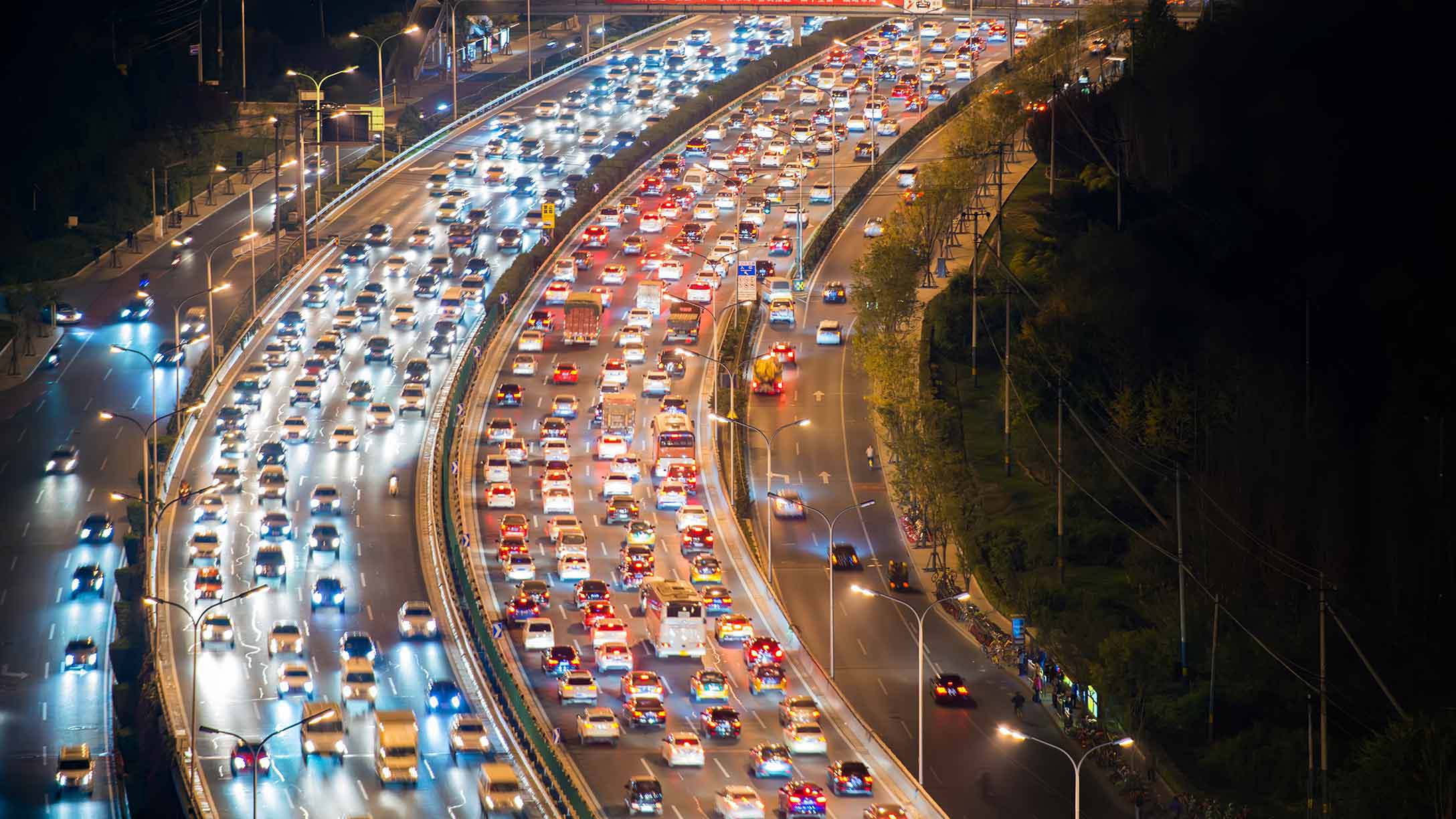
Ever feel like you’re throwing money out the window every time you’re stuck in a traffic jam? You’re not far off! All that idling and stop-and-go driving isn't just a drain on your patience; it's a significant contributor to pollution, and it's hitting your wallet hard.
Eco-driving isn't just some trendy buzzword; it’s a set of fuel-efficient driving habits that benefit everyone. By adopting these green driving strategies, you can significantly reduce your fuel consumption and save money at the pump. But it’s more than just personal savings; it’s about collectively lessening our environmental impact and creating a healthier planet for future generations. When we commit to sustainable car habits, even in small ways, we’re actively contributing to cleaner air and a more sustainable future.
One simple thing you can start doingtodayis anticipating traffic flow. Look ahead, and if you see brake lights in the distance, ease off the accelerator early. Coasting to slow down instead of braking hard not only saves fuel but also reduces wear and tear on your brakes.
How Traffic Jams Increase Pollution
Traffic jams are a major source of air pollution in urban areas. The problem isn't just the sheer number of cars; it’s how they’re being driven. Constant acceleration and deceleration, prolonged idling, and inefficient engine operation all contribute to increased emissions.
When a car idles, the engine is running but not moving the vehicle. This results in incomplete combustion, which releases higher levels of pollutants like carbon monoxide (CO), hydrocarbons (HC), and nitrogen oxides (NOx). These pollutants are harmful to human health and contribute to smog and respiratory problems, particularly for vulnerable populations like children and the elderly.
Stop-and-go traffic also forces your engine to work harder, consuming more fuel than it would at a steady speed. Every time you accelerate from a standstill, your engine needs a surge of power, which translates directly into increased fuel consumption and emissions. In fact, studies have shown that stop-and-go traffic can decrease fuel economy by as much as 30-40% compared to driving at a constant speed on the highway.
Furthermore, traffic congestion exacerbates the problem by creating a "heat island" effect in urban areas. Vehicles release heat into the environment, and the dense concentration of cars in a traffic jam amplifies this effect. This can lead to higher temperatures, which further contributes to smog formation and respiratory problems.
Beyond the immediate impact on air quality, traffic jams also contribute to greenhouse gas emissions, which are a major driver of climate change. Carbon dioxide (CO2), the primary greenhouse gas, is released when fossil fuels are burned in vehicle engines. The more fuel we burn, the more CO2 we release into the atmosphere. By reducing traffic congestion and adopting eco-driving tips, we can collectively reduce our carbon footprint and help mitigate climate change.
Eco-Driving Techniques to Reduce Your Carbon Footprint
Adopting eco-driving techniques is a powerful way to combat the negative environmental impacts of traffic jams and everyday driving. These simple yet effective strategies not only reduce your carbon footprint but also save you money on fuel and extend the life of your vehicle. Let's explore some key eco-driving habits: Smooth Acceleration and Braking: Avoid aggressive acceleration and hard braking. Instead, accelerate gradually and maintain a steady speed whenever possible. Anticipate traffic flow and ease off the accelerator early to coast to a stop. This reduces fuel consumption and wear and tear on your brakes. Maintain a Steady Speed: Maintaining a consistent speed is far more fuel-efficient than constantly accelerating and decelerating. Use cruise control on highways to maintain a steady speed and reduce fuel consumption. Minimize Idling: Avoid idling for extended periods. If you anticipate being stopped for more than a minute, turn off your engine. Modern cars are designed to restart quickly and efficiently, and restarting your engine consumes less fuel than idling. Proper Tire Inflation: Ensure your tires are properly inflated. Underinflated tires increase rolling resistance, which means your engine has to work harder to move the vehicle. Check your tire pressure regularly and inflate them to the recommended level. This can improve your fuel economy by up to 3%. Reduce Air Conditioning Use: Air conditioning can significantly increase fuel consumption, especially at lower speeds. Use it judiciously and consider opening windows or using the fan when appropriate. Park in the shade to reduce the interior temperature of your car and minimize the need for air conditioning. Combine Errands: Plan your trips efficiently to minimize unnecessary driving. Combine errands into a single trip to reduce the number of cold starts, which consume more fuel. Use route planning apps to find the most efficient route and avoid traffic congestion. Regular Vehicle Maintenance: Keep your vehicle properly maintained. Regular oil changes, tune-ups, and air filter replacements can improve fuel efficiency and reduce emissions. A well-maintained vehicle runs more efficiently and produces fewer pollutants. Lighten Your Load: Avoid carrying unnecessary weight in your vehicle. The heavier your vehicle, the more fuel it consumes. Remove any unnecessary items from your trunk and passenger compartment. Use Fuel-Efficient Vehicles:When purchasing a new vehicle, consider choosing a fuel-efficient model or a hybrid/electric vehicle. These vehicles are designed to consume less fuel and produce fewer emissions.
By implementing these eco-driving tips, you can significantly reduce your fuel consumption, lower your carbon footprint, and contribute to a cleaner and healthier environment. Even small changes in your driving habits can make a big difference over time.
Does eco-driving really save fuel?
Absolutely! Studies consistently show that eco-driving techniques can significantly improve fuel economy. By adopting habits like smooth acceleration, maintaining a steady speed, and minimizing idling, you can reduce your fuel consumption by up to 25%. This translates into significant savings at the pump and a lower carbon footprint. The key is to make these fuel-efficient driving habits a regular part of your driving routine.
What are the best eco-driving habits?
The "best" eco-driving habits are the ones you consistently practice! However, some of the most impactful include: Anticipating Traffic: Look ahead and adjust your speed to avoid sudden braking. Gentle Acceleration: Avoid flooring it! Accelerate smoothly and gradually. Maintaining a Steady Speed: Use cruise control on the highway whenever possible. Proper Tire Inflation: Check your tire pressure regularly. Reducing Idling:Turn off your engine if you'll be stopped for more than a minute.
Combining these green driving strategies can lead to substantial fuel savings and a noticeable reduction in your environmental impact.
Can eco-driving make my car last longer?
Yes, it can! Eco-driving reduces stress on your vehicle's engine, brakes, and tires. Smooth acceleration and braking minimize wear and tear on your brakes, while maintaining a steady speed reduces strain on your engine. By driving more gently and avoiding aggressive maneuvers, you can extend the life of your vehicle and reduce the need for costly repairs. Regular maintenance, combined with eco-driving habits, will keep your car running smoothly for years to come.
The Ripple Effect of Sustainable Car Habits
The beauty of adopting climate-friendly commuting practices and eco-driving habits is that they create a ripple effect. Not only do you benefit from reduced fuel costs and a longer-lasting vehicle, but you also contribute to a healthier environment for everyone. As more drivers embrace these sustainable practices, the collective impact becomes increasingly significant.
Think about it: if every driver in your city adopted just a few of these eco-driving tips, the reduction in air pollution and greenhouse gas emissions would be substantial. Smog levels would decrease, respiratory problems would become less prevalent, and the overall quality of life would improve. Furthermore, the reduced demand for fossil fuels would help conserve natural resources and promote energy independence.
Beyond the environmental benefits, eco-driving also promotes safer driving habits. By focusing on smooth acceleration, maintaining a steady speed, and anticipating traffic flow, you become a more attentive and responsible driver. This can reduce the risk of accidents and make the roads safer for everyone.
Moreover, embracing sustainable car habits can inspire others to do the same. When your friends, family, and colleagues see you practicing eco-driving, they may be more likely to consider adopting these habits themselves. By leading by example, you can help create a culture of sustainability and encourage others to take action.
So, let's all commit to making small changes in our driving habits. Whether it's reducing idling, maintaining proper tire inflation, or simply driving more smoothly, every little bit counts. By working together, we can create a greener, healthier, and more sustainable future for ourselves and generations to come.
It's empowering to know that even small changes in your daily routine can make a real difference. Start incorporating these eco-driving tips into your everyday commutes, and watch how those small adjustments add up to significant savings and a lighter footprint. You’ve got this!
Post a Comment for "How Traffic Jams Increase Pollution and What You Can Do"