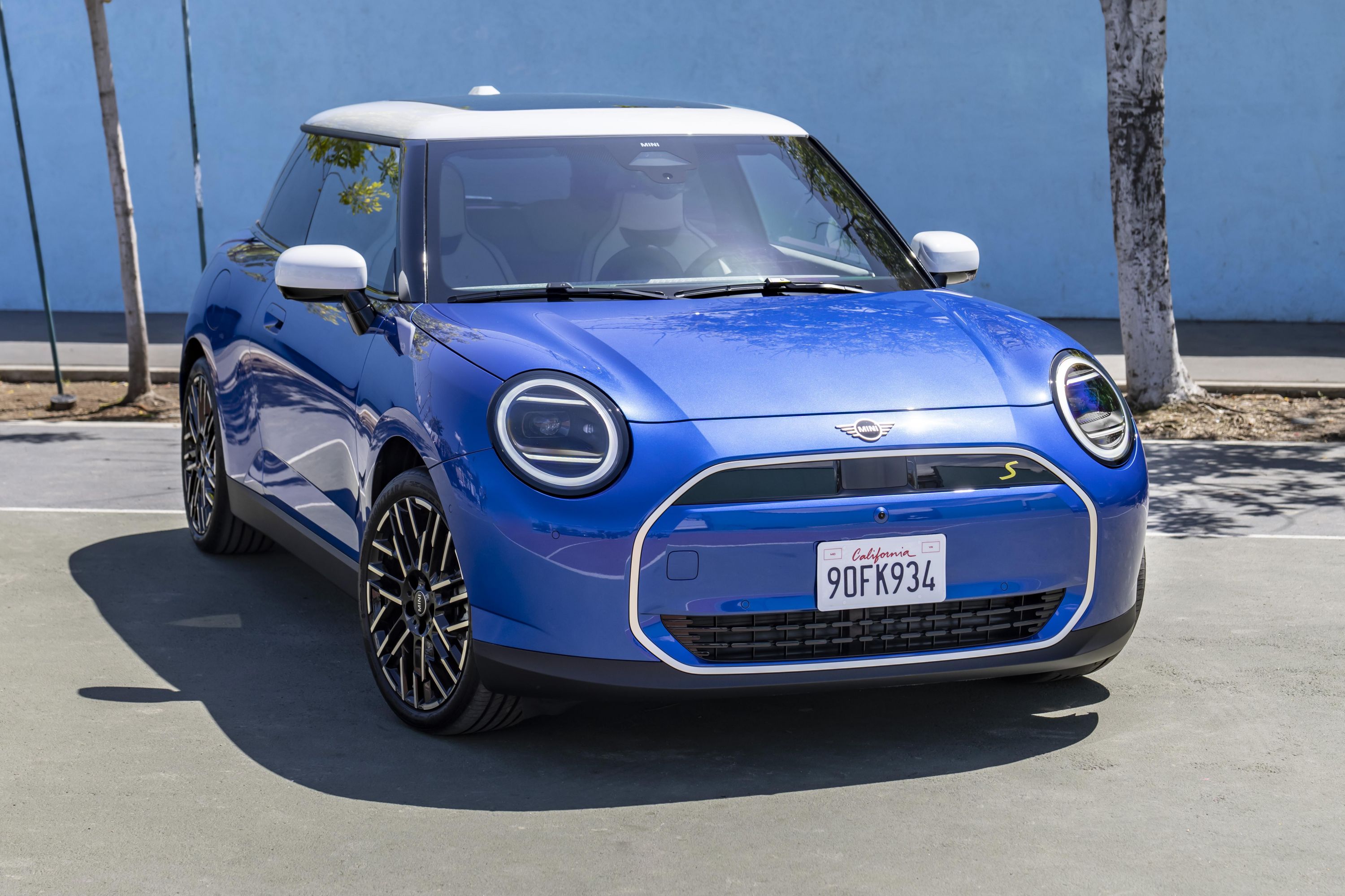
Are you curious about how your car choices impact the environment and your wallet? You're not alone! With rising fuel costs and growing concerns about our planet's health, more and more drivers are looking for ways to make a positive change. Let's dive into a head-to-head comparison: Electric Vehicles (EVs) vs. traditional gas cars.
Making the switch to greener driving isn't just about grand gestures; it's about the everyday choices we make behind the wheel. Eco-driving is a powerful approach that benefits you directly by reducing fuel consumption (and saving you money!), while also contributing to a healthier planet through reduced emissions. Every time you practice fuel-efficient driving habits, you’re shrinking your carbon footprint and helping create a more sustainable future for everyone.
Want to start making a difference right away? Try easing off the accelerator – avoid "jackrabbit" starts and aim for smooth, gradual acceleration. You'll be surprised at how much fuel this simple change can save!
Electric Vehicles vs. Gas Cars: A Deep Dive
The debate between electric vehicles and gas cars isn't just about personal preference; it's a discussion about sustainability, efficiency, and our responsibility to the environment. To truly understand the impact of each type of vehicle, we need to consider the entire lifecycle, from manufacturing to daily use and eventual disposal.
Manufacturing: A Complex Picture
The manufacturing process for both EVs and gas cars has environmental implications. Gas cars require the extraction, transportation, and refining of petroleum, processes known for their significant greenhouse gas emissions and potential for environmental disasters like oil spills. Manufacturing gas cars also involves the production of various components, from engines and transmissions to exhaust systems, each contributing to the overall environmental footprint.
EV manufacturing, on the other hand, requires the mining and processing of materials like lithium, cobalt, and nickel for batteries. These processes can have negative impacts on local ecosystems and communities if not managed responsibly. The energy-intensive battery production process also contributes to greenhouse gas emissions. However, it's important to note that advancements in battery technology and responsible sourcing practices are continually improving the sustainability of EV battery production.
While the initial manufacturing phase of an EV may have a higher carbon footprint than that of a gas car, studies have shown that this difference is often offset during the vehicle's lifespan, especially when the electricity used to power the EV comes from renewable sources.
Tailpipe Emissions: The Clear Winner
One of the most significant differences between EVs and gas cars is tailpipe emissions. Gas cars, as we know, release a cocktail of pollutants into the atmosphere, including carbon dioxide (CO2), nitrogen oxides (NOx), and particulate matter (PM). These emissions contribute to climate change, air pollution, and respiratory problems.
EVs, on the other hand, produce zero tailpipe emissions. This means that driving an EV directly reduces the amount of harmful pollutants released into the air, particularly in urban areas where air quality is often a concern. It’s a huge benefit for climate-friendly commuting.
Of course, the electricity used to power an EV must come from somewhere. The environmental impact of EV charging depends on the energy source used to generate that electricity. If the electricity comes from renewable sources like solar, wind, or hydro, the overall environmental impact of driving an EV is significantly reduced. Even when the electricity comes from a grid powered by fossil fuels, EVs generally still have a lower carbon footprint than gas cars due to the greater efficiency of electric motors compared to internal combustion engines. As the grid becomes increasingly reliant on renewable energy, the environmental benefits of EVs will only continue to grow.
Fuel Efficiency: Powering the Future
When it comes to fuel efficiency, EVs have a clear advantage. Electric motors are significantly more efficient than internal combustion engines, converting a higher percentage of energy into motion. This means that EVs require less energy to travel the same distance as a gas car.
Gas car efficiency is limited by the inherent inefficiencies of burning fuel. A large portion of the energy released during combustion is lost as heat. EVs, however, are able to recapture some of the energy lost during braking through regenerative braking, further improving their efficiency.
The result? EVs typically have lower running costs than gas cars, as electricity is often cheaper than gasoline. This can lead to significant savings over the lifespan of the vehicle. Plus, with sustainable car habits, you can maximize efficiency even further.
Lifecycle Assessment: The Big Picture
To truly compare the environmental impact of EVs and gas cars, we need to consider the entire lifecycle of each vehicle, from manufacturing to disposal. Lifecycle assessments (LCAs) take into account all of the environmental impacts associated with each stage of a vehicle's life, including:
Material extraction and processing
Manufacturing and assembly
Transportation and distribution
Vehicle use (including fuel or electricity consumption)
Maintenance and repair
End-of-life management (recycling or disposal)
LCAs can be complex and require a lot of data, but they provide a more comprehensive understanding of the environmental impact of each vehicle type. Studies have shown that, over their entire lifecycle, EVs generally have a lower carbon footprint than gas cars, especially when powered by renewable energy. However, the exact results can vary depending on factors such as the size of the battery, the electricity source, and the driving habits of the owner.
The Future of Green Driving Strategies
Both EVs and gas car technology are constantly evolving. Advancements in battery technology are leading to longer ranges, faster charging times, and lower battery costs for EVs. Improvements in engine design and fuel efficiency are also helping to reduce the environmental impact of gas cars.
However, the long-term trend is clear: EVs are poised to play an increasingly important role in the transition to a more sustainable transportation system. As battery technology improves and the grid becomes cleaner, the environmental benefits of EVs will only continue to grow. Green driving strategies like carpooling and trip planning also complement the shift to electric vehicles.
Eco-Driving: Maximizing Efficiency in Any Car
Whether you drive an EV or a gas car, eco-driving techniques can help you reduce your fuel consumption and environmental impact. Eco-driving is a set of driving habits and practices that minimize fuel consumption and emissions without sacrificing safety or convenience. By adopting eco-driving principles, you can save money on fuel, reduce your carbon footprint, and contribute to a cleaner environment.
Gentle Acceleration and Braking
One of the most effective eco-driving tips is to accelerate and brake gently. Avoid "jackrabbit" starts and sudden stops, as these can significantly increase fuel consumption. Instead, accelerate smoothly and gradually, allowing your car to build up speed at a steady pace.
Anticipate traffic flow and avoid unnecessary braking by coasting to a stop whenever possible. Maintaining a safe following distance will give you more time to react to changing traffic conditions and reduce the need for sudden braking.
Maintain a Steady Speed
Maintaining a steady speed is another key eco-driving habit. Use cruise control on the highway to help you maintain a consistent speed and avoid unnecessary acceleration and braking. Avoid speeding, as fuel consumption increases dramatically at higher speeds. Generally, the most fuel-efficient speed is around 55-60 mph on the highway.
Proper Tire Inflation
Proper tire inflation is often overlooked, but it can have a significant impact on fuel efficiency. Underinflated tires increase rolling resistance, which means your engine has to work harder to move the car. Check your tire pressure regularly and inflate your tires to the recommended pressure, which can be found on a sticker inside your driver's side door or in your owner's manual.
Reduce Idling
Idling wastes fuel and emits harmful pollutants into the air. Avoid idling for extended periods of time, especially in congested areas. If you're stopped for more than a minute, turn off your engine. Modern cars are designed to be easily restarted, and the fuel saved by turning off your engine will quickly add up.
Regular Maintenance
Regular maintenance is essential for keeping your car running efficiently. Keep your engine properly tuned, change your oil regularly, and replace air filters as needed. A well-maintained car will run more efficiently and produce fewer emissions.
Reduce Weight and Drag
Reducing weight and drag can also improve fuel efficiency. Remove unnecessary items from your car, as extra weight increases fuel consumption. Avoid using roof racks or cargo carriers unless you need them, as they increase aerodynamic drag and reduce fuel efficiency.
Plan Your Trips
Planning your trips can help you avoid congested areas and reduce unnecessary mileage. Combine errands into a single trip and avoid driving during peak traffic hours whenever possible. Use navigation apps to find the most efficient route and avoid getting lost.
Embrace Carpooling and Public Transportation
Carpooling and public transportation are great ways to reduce your carbon footprint and save money on fuel. Consider carpooling with coworkers or friends, or use public transportation whenever possible. These options can help reduce traffic congestion and improve air quality.
Eco-Driving for EVs
While EVs don't use gasoline, eco-driving principles still apply. Gentle acceleration and braking can help maximize your EV's range, and proper tire inflation is just as important for EVs as it is for gas cars. Reducing weight and drag can also improve your EV's efficiency. Plus, regenerative braking is a great feature that allows you to capture energy lost during deceleration and convert it back into electricity, extending your driving range.
Does eco-driving really save fuel?
Absolutely! Studies have consistently shown that eco-driving techniques can reduce fuel consumption by 10-20% or even more. The exact savings will vary depending on your driving habits, the type of car you drive, and the conditions in which you drive, but even small changes in your driving habits can add up to significant savings over time.
What are the best eco-driving habits?
The best eco-driving habits include gentle acceleration and braking, maintaining a steady speed, proper tire inflation, reducing idling, regular maintenance, reducing weight and drag, and planning your trips. By adopting these habits, you can significantly reduce your fuel consumption and environmental impact.
Can eco-driving make my car last longer?
Yes, eco-driving can actually help extend the life of your car. Gentle acceleration and braking reduce wear and tear on your engine, brakes, and tires. Regular maintenance and proper tire inflation also contribute to the longevity of your vehicle.
A Greener Future Starts with You
Choosing between an EV and a gas car is a significant decision with real environmental consequences. While EVs offer a pathway to zero tailpipe emissions and greater energy efficiency, eco-driving practices empower every driver to minimize their impact, regardless of their vehicle. By adopting fuel-efficient driving habits and embracing green driving strategies, we can collectively reduce our carbon footprint and contribute to a more sustainable future. Remember, every small change you make behind the wheel can add up to a big difference for our planet.
Post a Comment for "Electric Vehicles vs. Gas Cars: Environmental Showdown"